
AI-driven infrastructure for energy research
What isDirecxte all about?
- Building new R&D&I infrastructure at Building D to accelerate the energy transition.
- Integring IA, digitalisation and data management as cross-cutting research pillars.
- Accelerating the development and validation of advanced energy materials and devices.
- Deploying digital, resilient and cyber-secure energy systems and networks.
R&D&I infrastructures to accelerate the energy transition with AI and data
Laia-mat
Autonomous laboratory supported by artificial intelligence to discover and optimise new materials for energy.
Laia-bat
Next-generation battery development line, from materials to prototypes.
Laia-thin
Laboratory for automated synthesis of thin films for advanced energy devices.
Elsa
Laboratory of digital, resilient and autonomous systems for energy networks and intelligent building management.
Direcxte
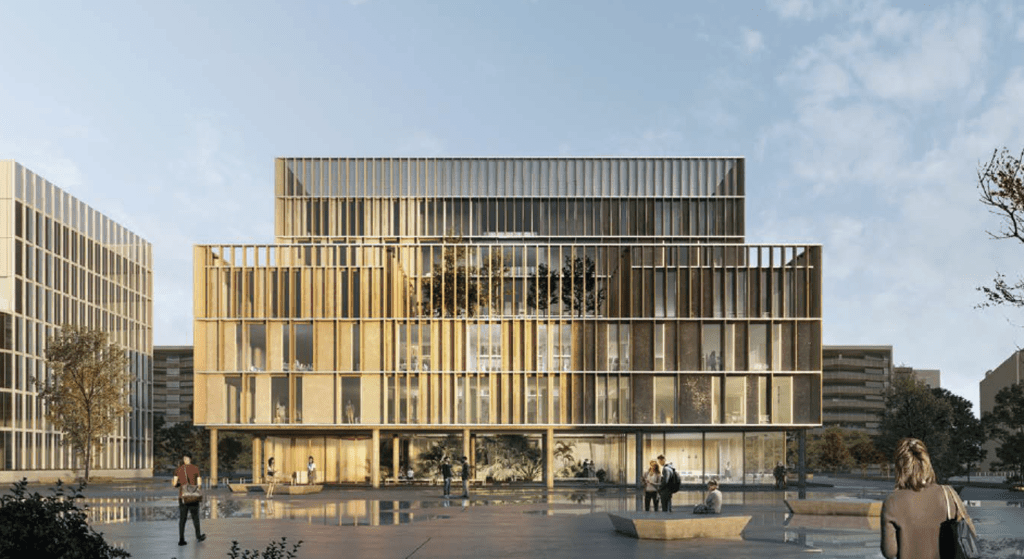
DIRECxTE is a strategic R&D&I infrastructure initiative that will equip IREC with new experimental capabilities at Building D of the Campus Diagonal-Besòs, with inauguration expected before the end of 2028. The project incorporates artificial intelligence, digitalisation, data processing and cybersecurity as structural elements of energy research. The objective is to accelerate the energy transition with more efficient, resilient and sustainable technology, with impact on industry and society.
New energy transformation technologies
Materials, components, devices and processes to optimise energy conversion across different forms (electrical, chemical, photonic and thermal).
Energy management for a more resilient system
Solutions and methodologies to improve the quality, flexibility and resilience of the energy system, supported by digitalisation and security.
Quality energy and social justice
Research oriented towards accessible, reliable and quality energy, contributing to a fairer energy transition.
Sustainability and environmental impact minimisation
Laboratory of digital, resilient and autonomous systems for energy networks and intelligent building management.
New energy transformation technologies
Advanced materials, components, devices and processes are developed to optimise energy conversion across multiple forms, including electrical, chemical, photonic and thermal. This research line focuses on accelerating the transition from laboratory discovery to real-world applications, improving efficiency, performance and scalability. By integrating digitalisation and data- driven methodologies, it supports the development of next-generation energy technologies capable of meeting future system demands..

Sustainability and environmental impact minimisation
Energy technologies and processes are designed to minimise environmental impact across their entire lifecycle, from development to deployment. This approach integrates sustainability criteria, resource efficiency and environmental assessment from the early stages, supporting decarbonisation objectives and regulatory alignment. It contributes to reducing emissions, optimising resource use and ensuring that innovation is compatible with long-term environmental and societal goals.
Energy management for a more resilient system
Innovative solutions and methodologies are developed to enhance the flexibility, reliability and resilience of energy systems. Leveraging digitalisation, advanced data analytics and cybersecurity, this line enables smarter system operation and improved integration of renewable energy sources. It supports the creation of robust, adaptive infrastructures capable of responding to changing demands and ensuring stable, efficient energy supply in complex environments.

Quality energy and social justice
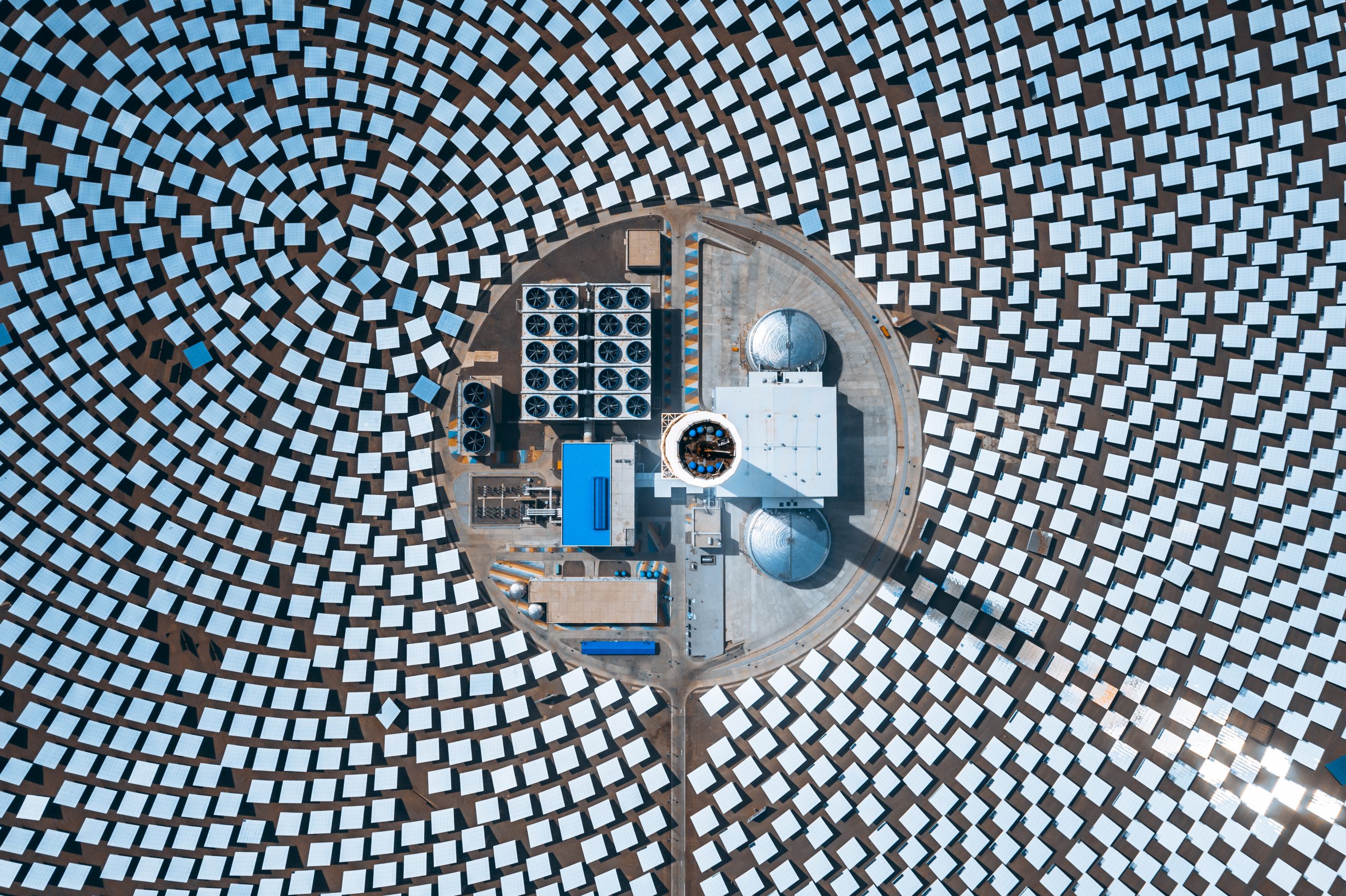
Research is oriented towards ensuring access to reliable, affordable and high-quality energy for all, placing social impact at the core of the energy transition. By integrating social, territorial and economic perspectives, this line promotes inclusive solutions that address inequalities and support balanced development. It contributes to building a fairer energy system that benefits communities, strengthens cohesion and aligns technological progress with societal needs.
Facilities
DIRECxTE’s infrastructure comprises Institute assets designed for cross-departmental use, particularly by the SGR NANOEN groups.
Laia-mat
Autonomous AI-assisted laboratory for accelerated discovery and validation of new energy-relevant materials.
Integrates automation, data and machine learning to reduce testing time and increase result reliability.
Laia-bat
Laboratory oriented towards the development and testing of next- generation batteries and electrochemical storage components.
Provides capabilities to accelerate the validation of materials, processes and performance under relevant conditions.
Laia-thin
Infrastructure for synthesis and fabrication of thin films and devices, with automated processes and efficient characterisation.
Enables rapid iteration and optimisation of materials and prototypes supported by data and advanced methodologies.
Elsa
Digital, resilient and autonomous energy systems laboratory, focused on operation, security and data integration.
It includes Building D as an experimental environment, or living lab, to test solutions under real-world operating conditions.



This DIRECxTE project has been co-funded by AGAUR (Department of Research and Universities of the Government of Catalonia) through the Institutional Singular Grants call, and by the European Unionˇs European Regional Development Fund (ERDF) under the 2021-2027 Programme.