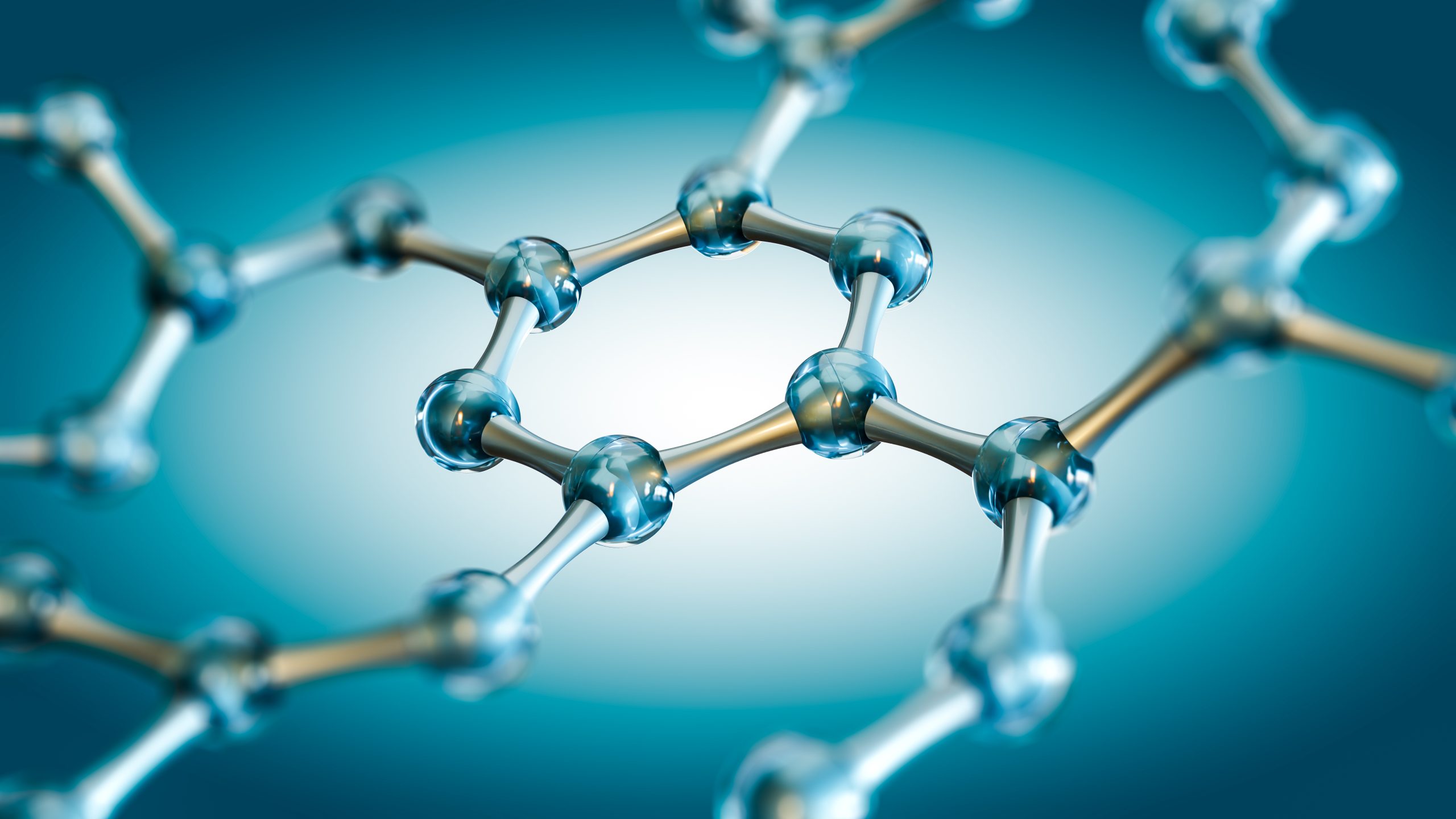
What is FUNCTIONAL NANOMATERIALS all about?
- Synthesising nanoparticles with precise control over composition and surface chemistry.
- Developing next-generation batteries for stationary, portable and mobile applications.
- Valorising biomass and waste into chemicals and fuels through electrocatalysis.
- Accelerating materials discovery through AI-driven high-throughput workflows.
Functional nanomaterials
The Functional Nanomaterials department engineers nanomaterials with precisely tailored composition, structure and properties, and integrates them into working energy devices. Its research combines fundamental studies of nanoparticle nucleation and growth with advanced bottom-up processing, producing materials ranging from porous aerogels to high-resolution printed microstructures. Working across batteries, electrocatalysis and thermoelectrics, the department connects the nanoscale with real-world energy applications, accelerated by AI-driven autonomous discovery workflows.
Nanomaterials design and synthesis
Fundamental studies of how composition, size, shape and surface chemistry define nanoparticle properties — from plasmonic and magnetic behaviour to catalytic activity — build the knowledge needed to engineer materials that perform precisely in energy conversion and storage applications.
Advanced batteries
Targeted catalyst design, novel cell architectures and operando characterisation address the key challenges of next-generation battery chemistries — polysulfide shuttling, slow kinetics, limited cycle life and safety — guiding the development of durable, high-performing cells.
Electrocatalysis and biomass valorisation
Electrocatalysts engineered for selective oxidation reactions couple biomass-derived waste streams with hydrogen evolution, converting discarded feedstocks into value-added chemicals and fuels while supporting a circular, low-carbon chemical and energy economy.
Bottom-up processing and 3D printing
Nanoparticle building blocks are translated into functional components — films, dense composites and three-dimensional architectures — using a proprietary electrostatic jet-deflection platform that prints at sub-micrometre resolution, bridging nanoscale design and scalable manufacture.
Our activity at a glance
The department brings together a multidisciplinary team of researchers and specialists working across its core research areas. Our work combines fundamental research, technology development and applied validation, engaging with academic institutions, industry partners and public bodies to generate knowledge and solutions with real-world impact.
A department expert team


Our research lines
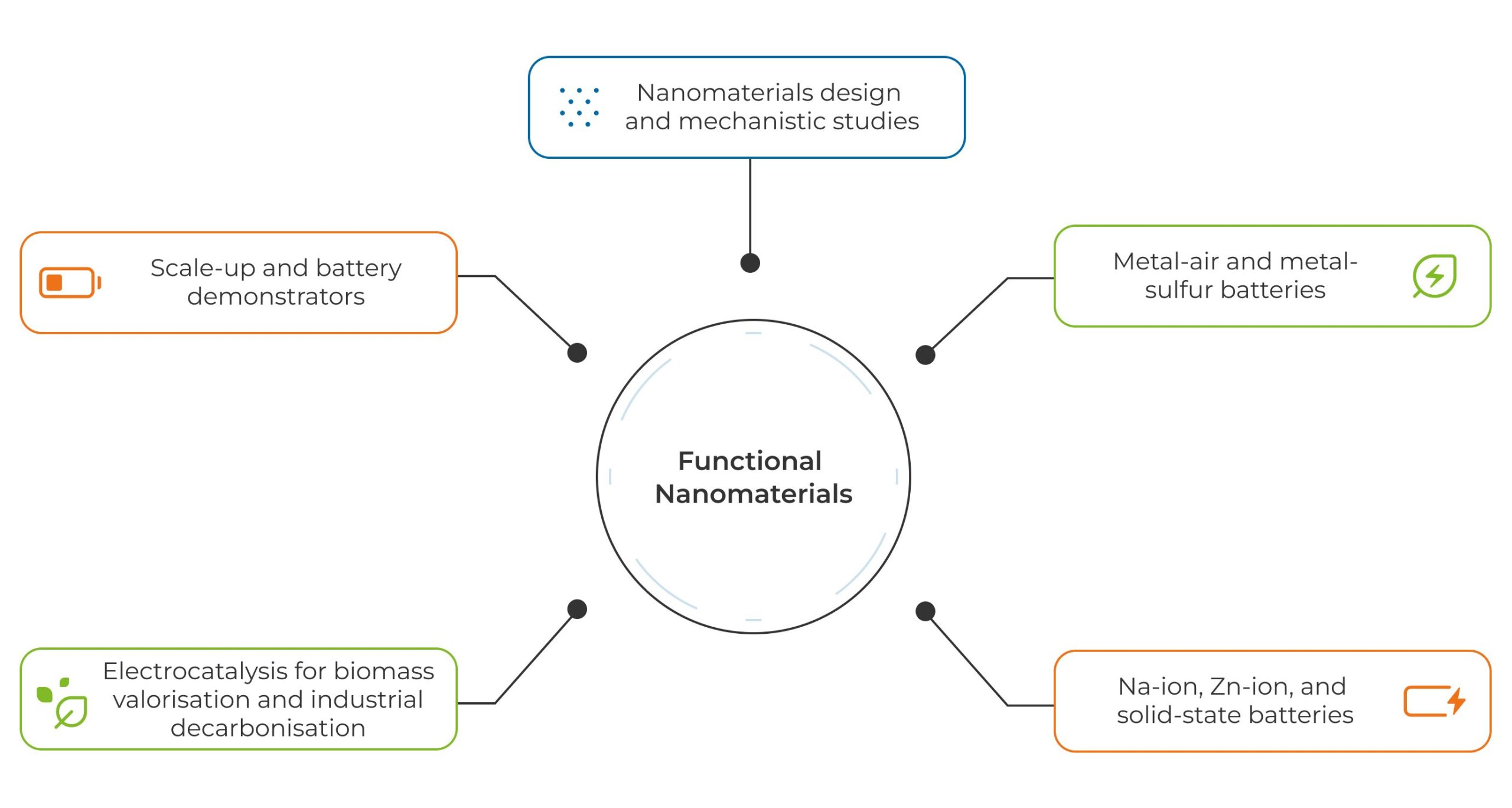
Research lines
- Nanomaterials design and synthesis
- Advanced batteries
- Electrocatalysis and biomass valorisation
- Bottom-up processing and 3D printing
- AI-driven materials discovery
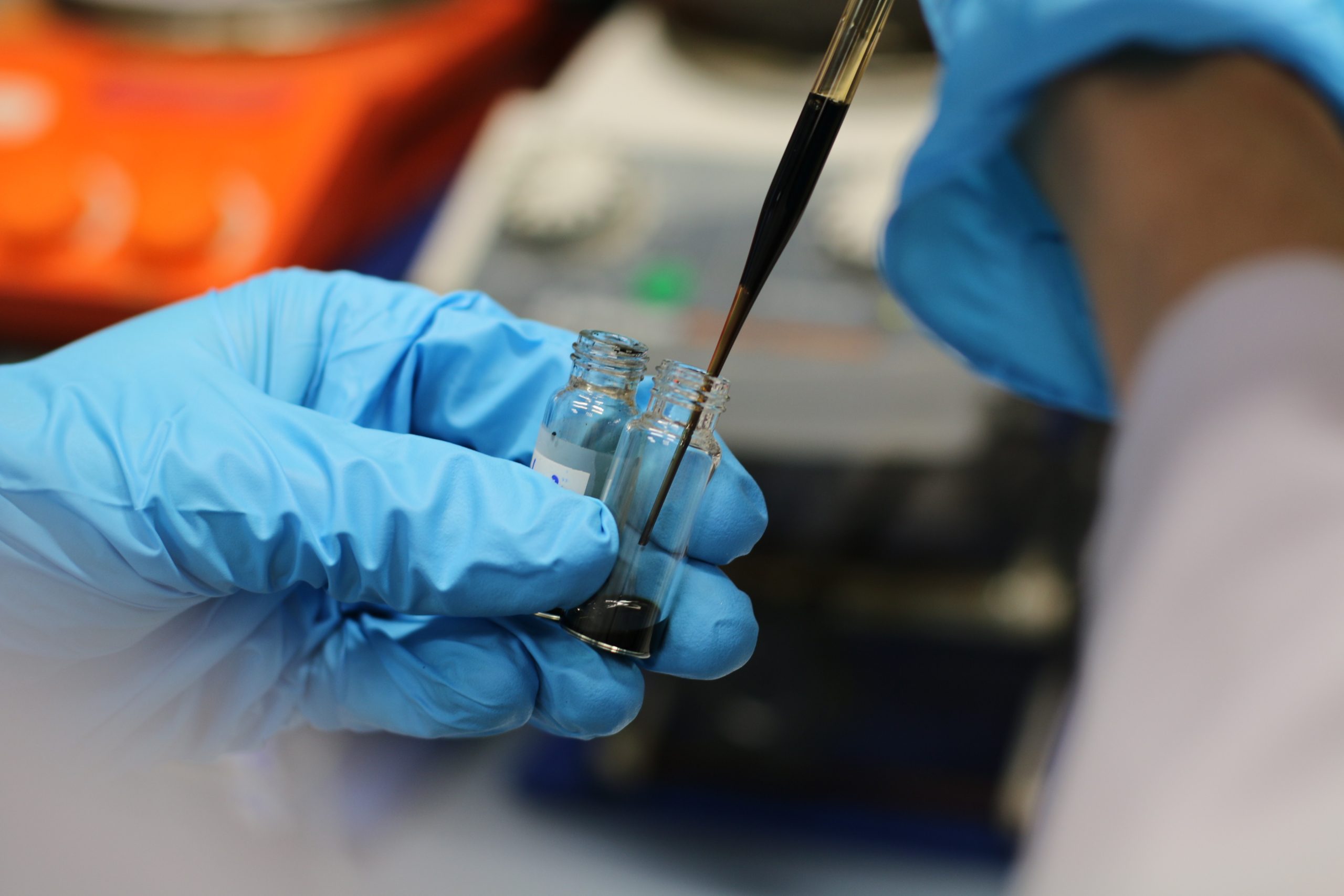
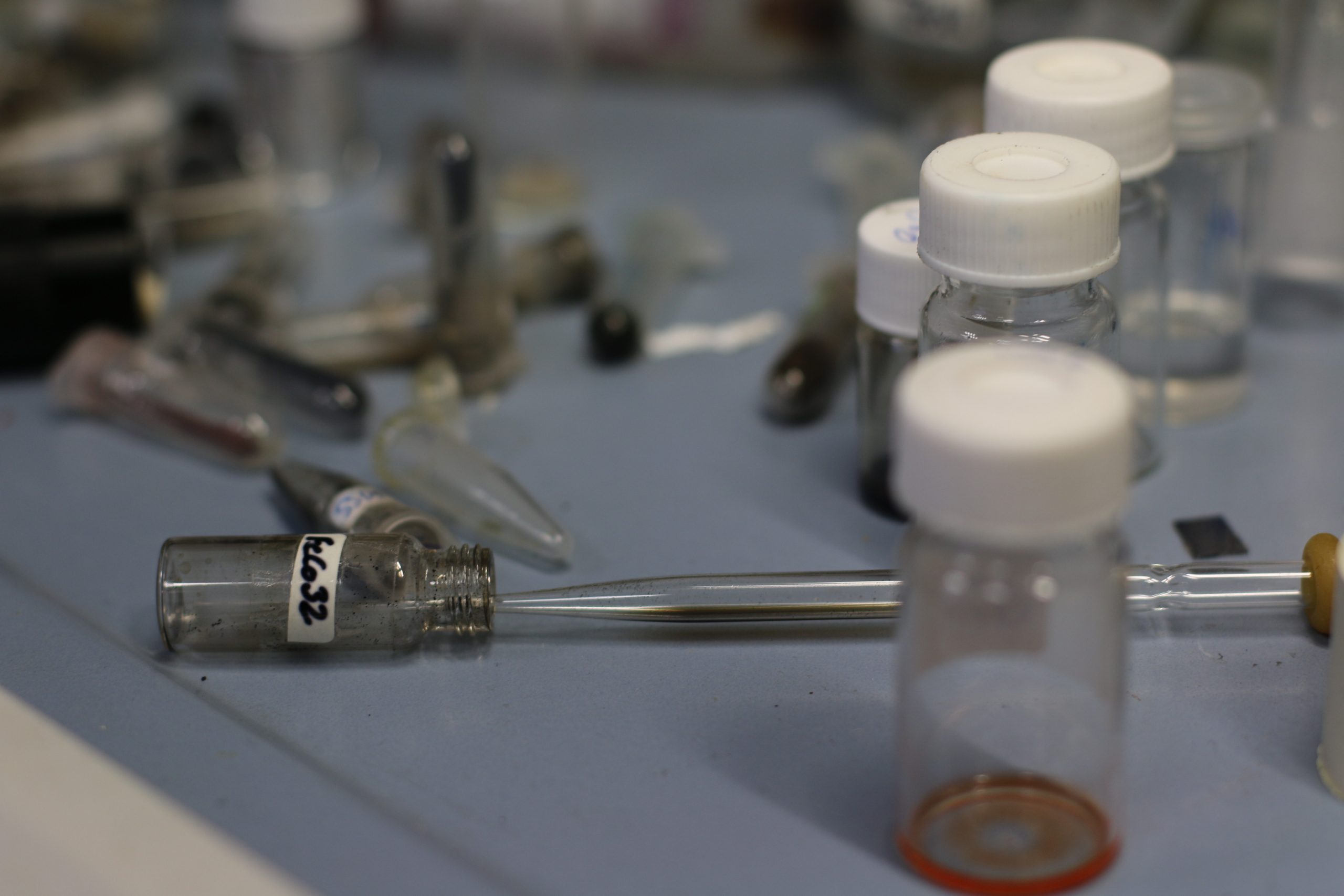
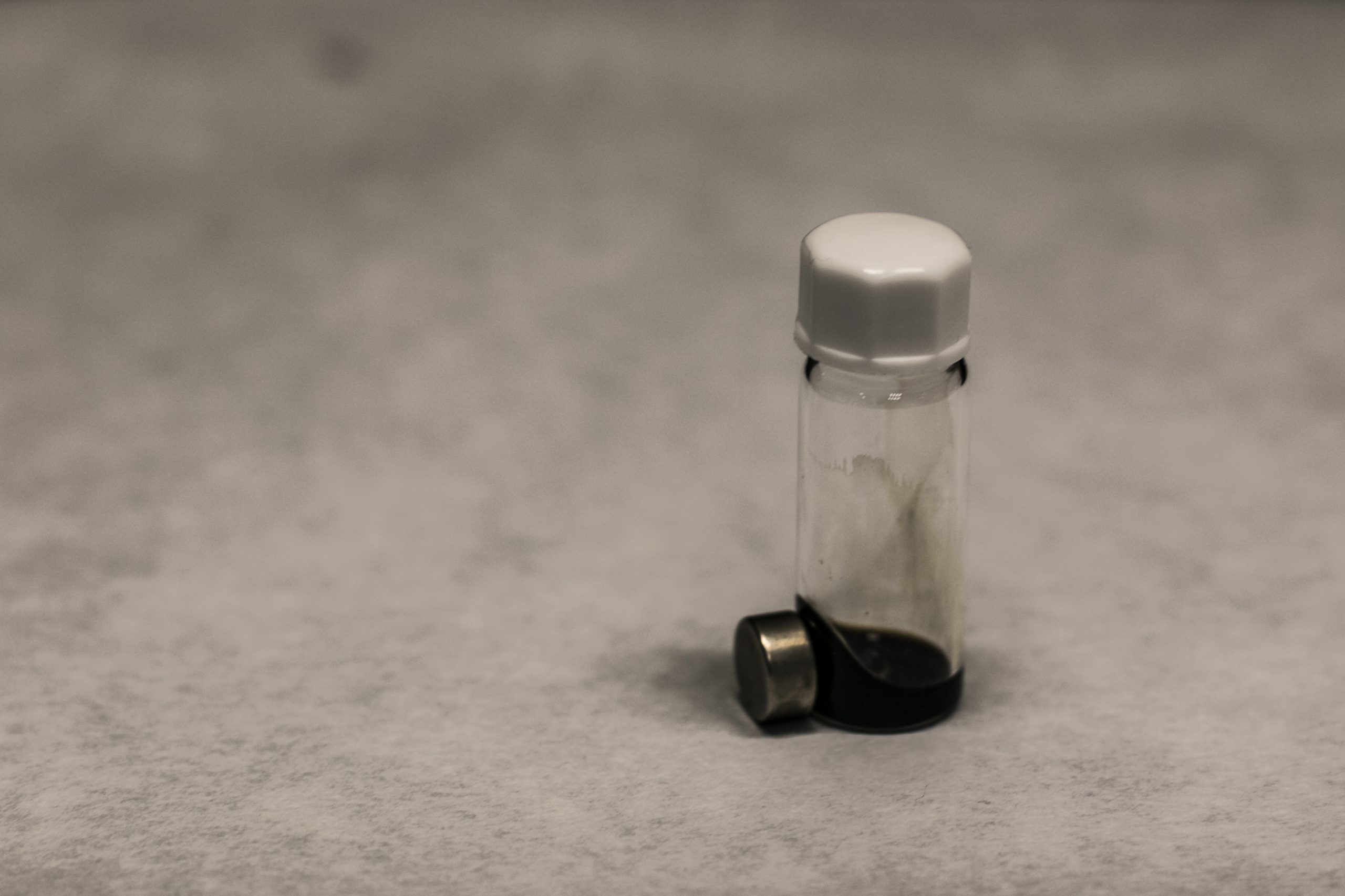
Nanoparticles and nanocomposites are synthesised using solution-based and flow-reactor approaches, achieving precise control over composition, particle morphology and surface chemistry. Studies of nucleation and growth mechanisms in high-entropy and multinary systems provide the knowledge base needed to engineer materials with target functional properties.
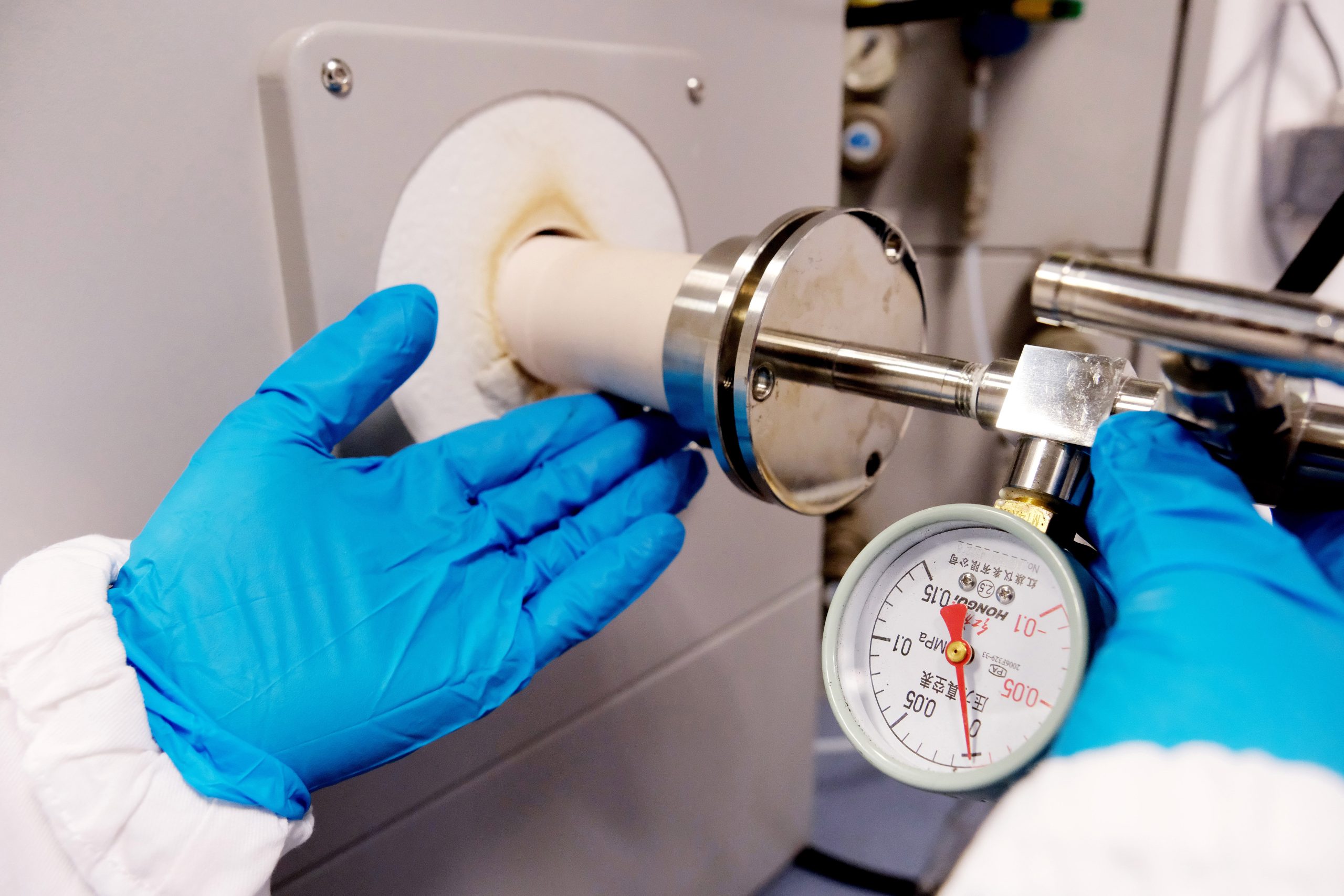
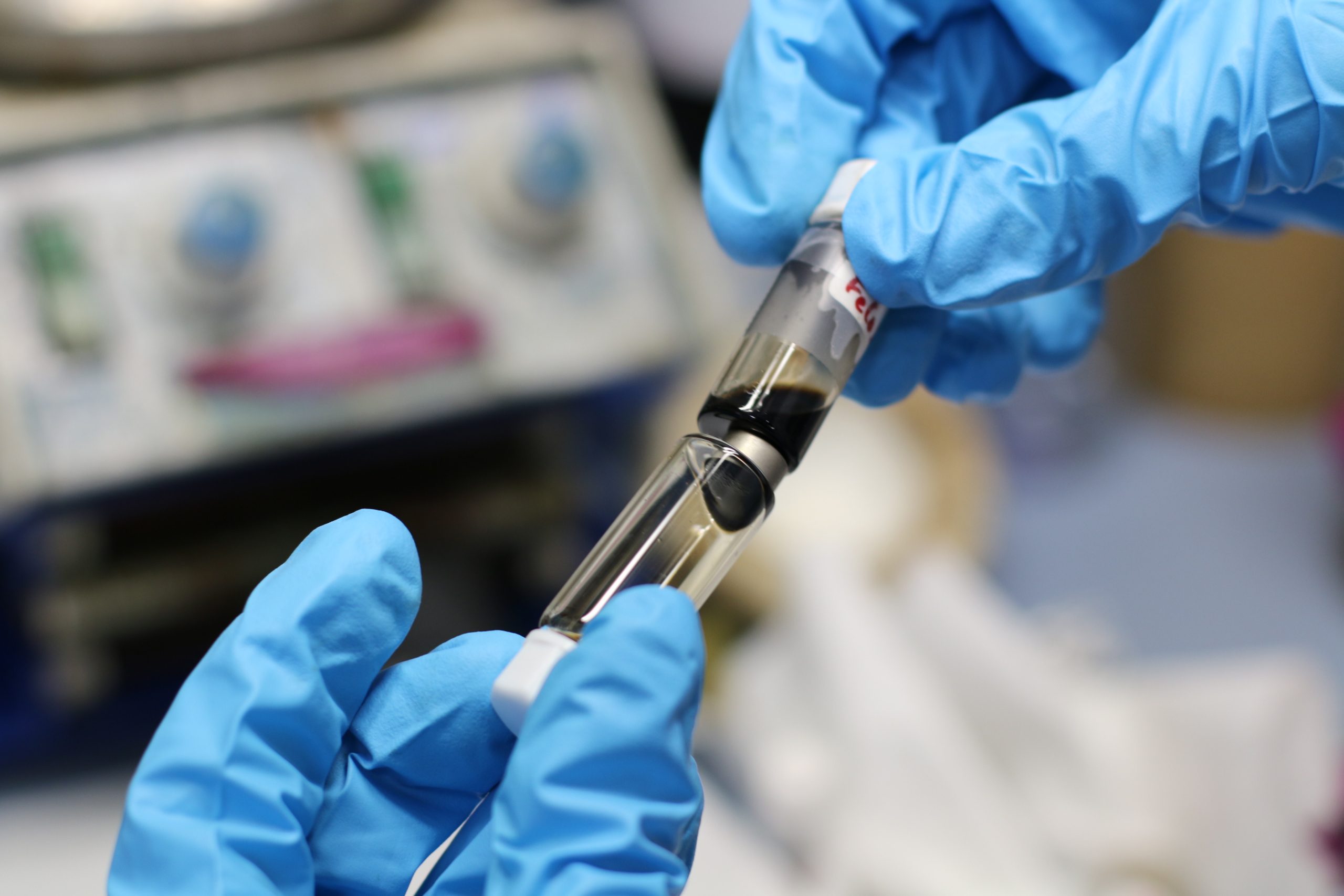
Electrode materials, electrolytes and cell architectures for metal-air, metal-sulfur, sodium-ion, zinc-ion and solid-state battery technologies are developed and tested. High-entropy catalyst design and operando characterisation guide progress from coin-cell prototypes to pouch-cell demonstrators targeting improved energy density, cycle life and safety.
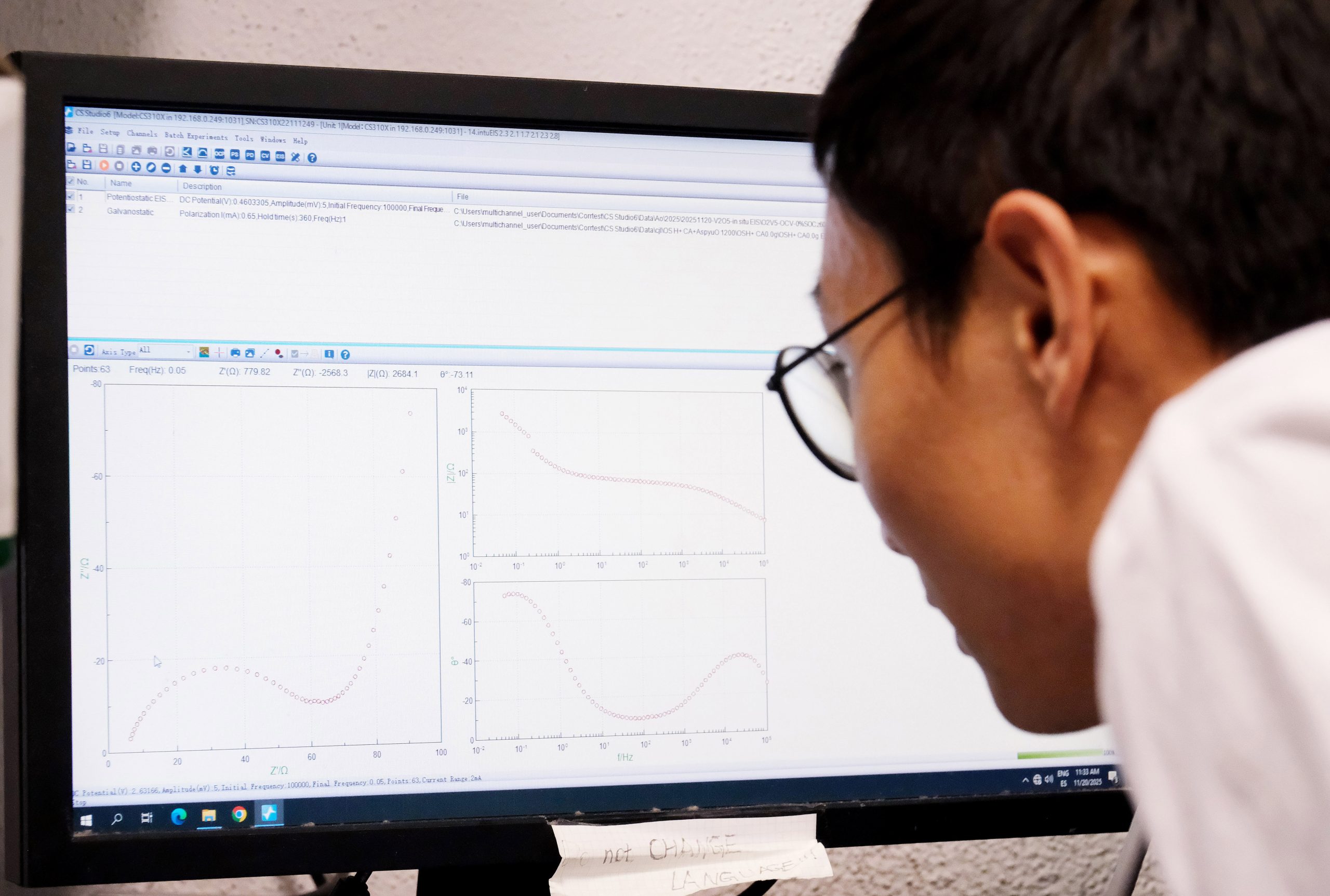
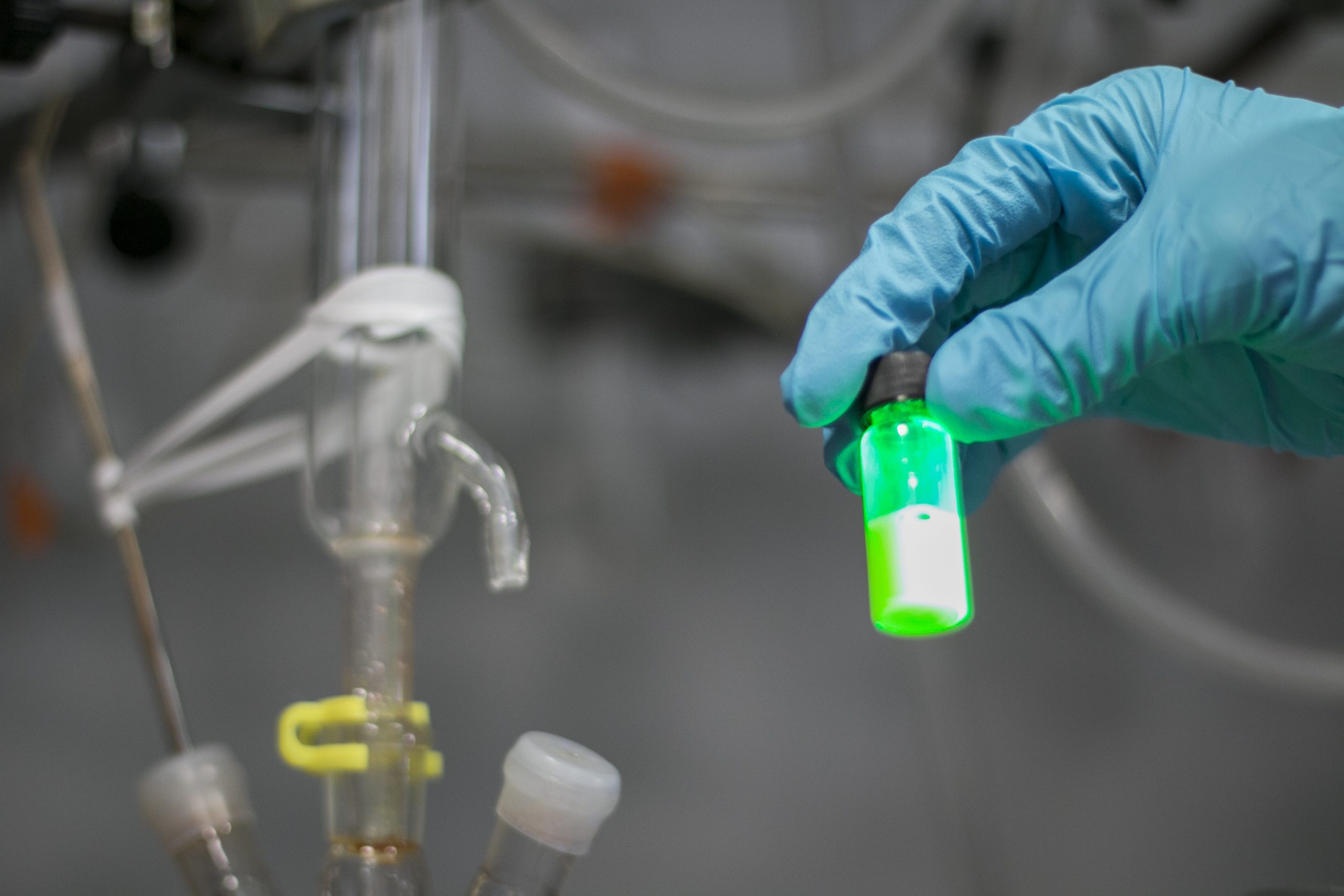
Selective and stable electrocatalysts are engineered to couple the oxidation of biomass-derived alcohols and aldehydes with hydrogen evolution, converting waste streams into value-added chemicals and fuels. The work integrates catalyst design, reactor engineering and product separation, building towards pilot-scale demonstrators.
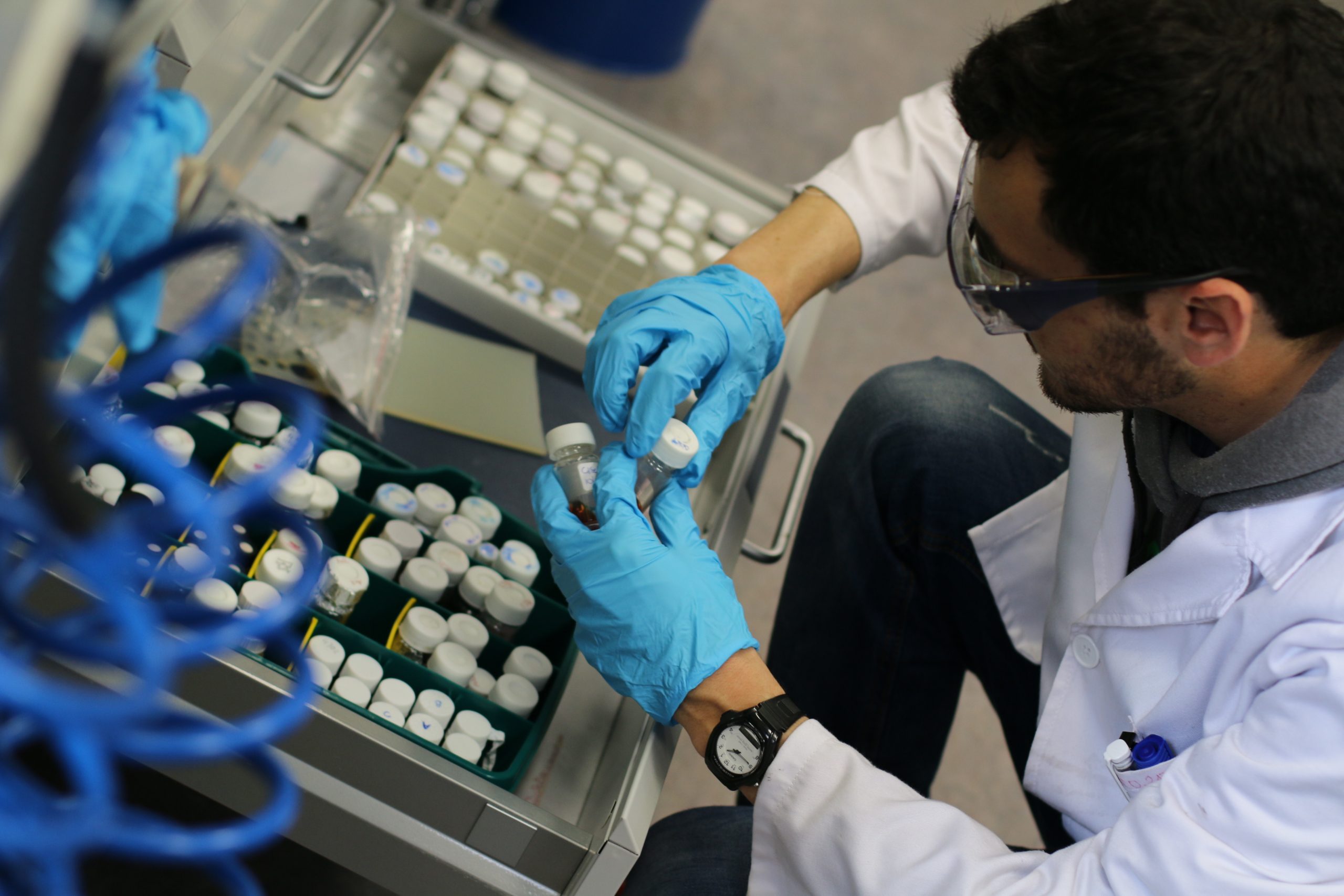
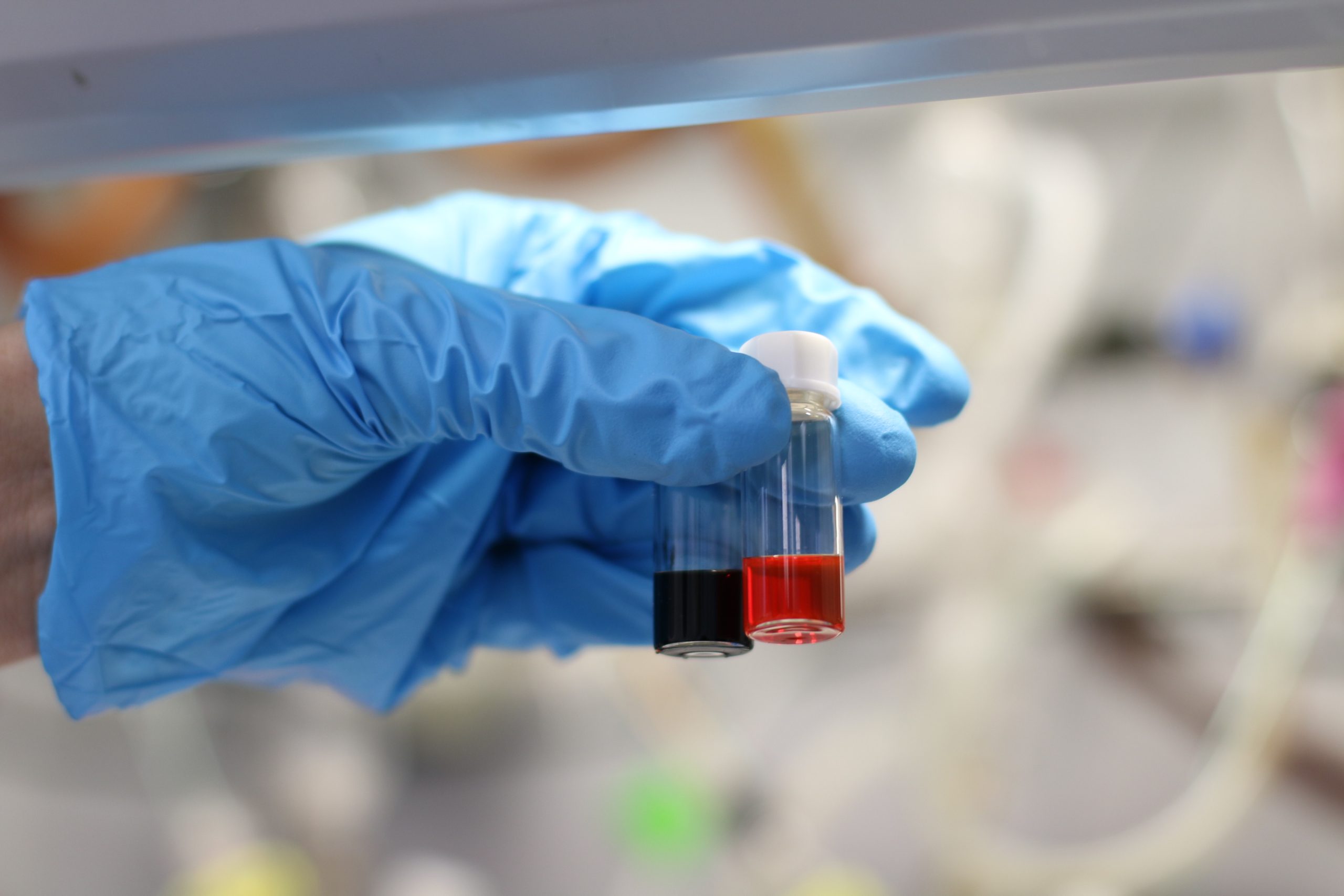
Nanoparticle inks are processed into functional materials spanning porous scaffolds, dense nanocomposites, large-area thin films and high-resolution three-dimensional structures. A proprietary electrostatic jet-deflection printer achieves sub-micrometre feature sizes at 200 layers per second, enabling scalable fabrication of microdevices and electrodes.
The exploration of nanomaterial compositions is accelerated through autonomous workflows integrating AI-guided design, automated synthesis, high-throughput characterisation and computation in closed-loop cycles. This self-driving approach rapidly identifies promising candidates across the vast compositional space of high-entropy systems.
People
A skilled team dedicated to advancing the energy transition.
Projects
Competitive and industrial projects from lab to real-world scale.
Publications
Peer-reviewed outputs at the forefront of energy research.
Tech Transfer
The Functional Nanomaterials department translates fundamental research into practical energy technologies through collaboration with industrial and academic partners at national and international level. Transfer activities span battery cell demonstrators, electrocatalytic systems for biomass valorisation and high-resolution additive manufacturing. A key outcome is a proprietary electrostatic jet-deflection 3D printing platform protected by an international patent portfolio, which achieves sub-micrometre printing at high throughput and has attracted industrial interest in both the electronics and energy sectors.
The department collaborates with ICN2, the Institute of Science and Technology Austria, and universities across Spain, Germany and China. Research is funded through European Commission, IDAE and Generalitat de Catalunya programmes.
Facilities
Facilities
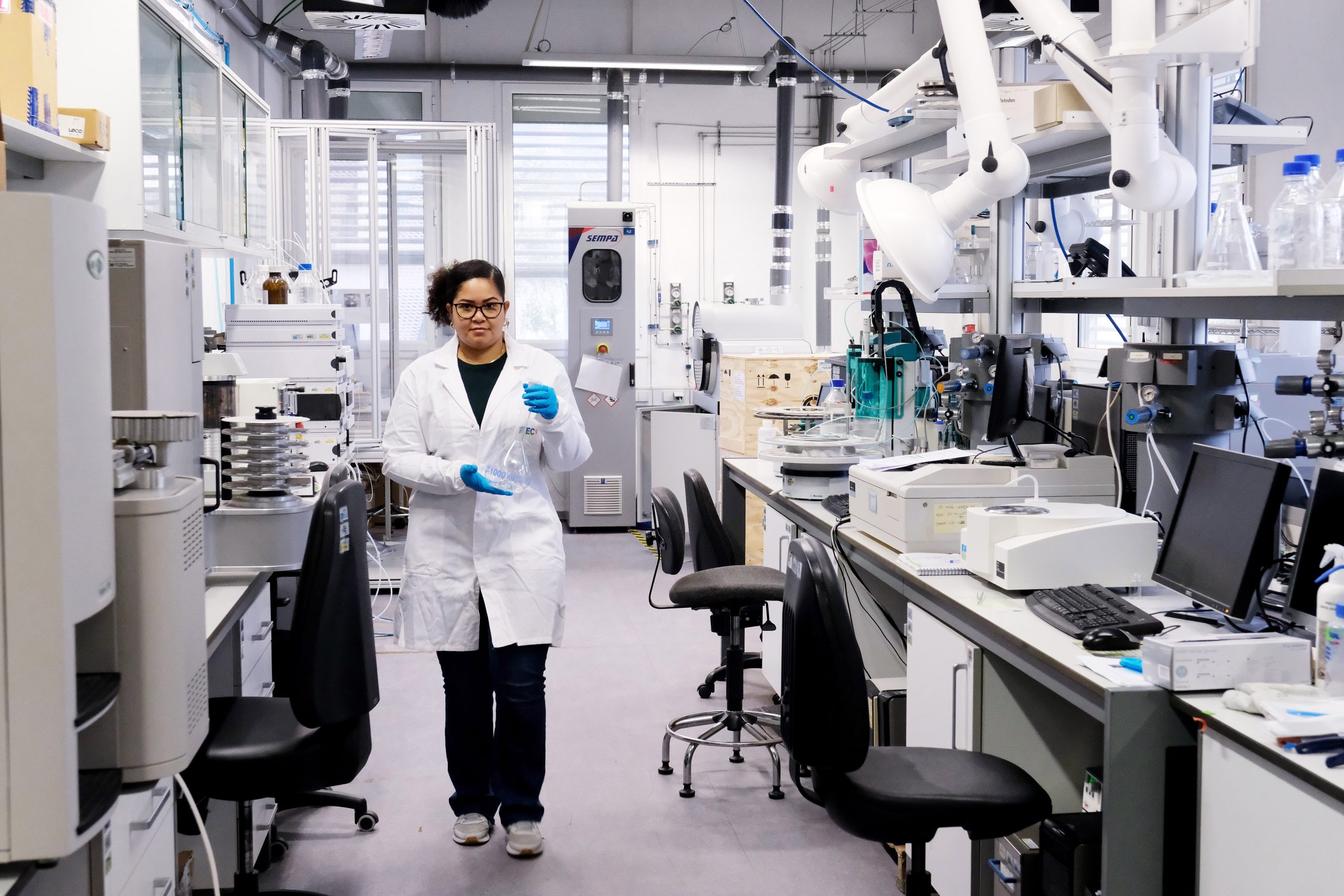
The department operates a full nanomaterials research infrastructure spanning synthesis, processing, characterisation and device fabrication. Solution-based and flow-reactor platforms enable scalable nanoparticle production with precise compositional control. A dedicated battery laboratory supports electrode fabrication, coin-cell and pouch-cell assembly, and electrochemical testing. The proprietary electrostatic jet-deflection printer enables sub-micrometre 3D fabrication of microdevices and electrodes.
In situ and operando characterisation tools, combined with institute-wide shared platforms including TEM and XRD, complete an integrated environment for the full nanomaterials-to-device development pipeline.
News
Nullam eu feugiat curabitur non. Maecenas tortor eget nunc nulla arcu auctor tincidunt arcu.
-
GARA closes its fourth edition strengthening energy outreach and fighting misinformation
More than 64,000 people have taken part in Gara-MOVES, the fourth edition of the educational and outreach programme promoted by IREC. The project has ran from July 2025 to June 2026 with a clear objective: to fight misinformation and fake news on the energy transition, renewable energy and climate change through innovative, itinerant and participatory…
Read more: GARA closes its fourth edition strengthening energy outreach and fighting misinformationPablo Fernández Martínez
Vulputate aliquam gravida
-

IREC strengthens international collaboration on the life-cycle impacts through the IEA
IREC has contributed to the recently completed IEA TCP on Electric Vehicles Task 46, a global initiative assessing the full life-cycle environmental impacts of electric trucks, buses, specialised vehicles and V2X services. The project, led by Joanneum Research (Austria), brought together partners from Austria, Canada, Germany, the Netherlands, Norway, the Republic of Korea, Spain, Switzerland, the UK,…
Read more: IREC strengthens international collaboration on the life-cycle impacts through the IEAPablo Fernández Martínez
Vulputate aliquam gravida
-

A plan to adapt schools to climate change was presented today
A report prepared by a group of experts from the climate, health, social and education fields warns about the growing impact of heat in classrooms and states that, from 2030 onwards, there could be up to 65 days during the period school with temperature and humidity conditions that exceed heat index of 27°C — nearly…
Read more: A plan to adapt schools to climate change was presented todayPablo Fernández Martínez
Vulputate aliquam gravida