
What is CLIMATE NEUTRAL & RESILIENT BUILDINGS & COMMUNITIES all about?
- Advancing zero-energy and energy-flexible buildings for a fair transition in Mediterranean regions.
- Combining simulation tools with experimental validation in laboratories and real-world demonstrators.
- Reducing greenhouse gas emissions in buildings and communities through a human-centred approach.
- Supporting climate-neutrality pathways through lighthouse demonstrators and evidence-based policy.
Climate neutral & resilient buildings & communities
The Climate Neutral and Resilient Buildings and Communities department investigates integrated and systemic approaches to decarbonising buildings and urban areas, with a particular focus on the requirements of Mediterranean climates. It combines technological solutions, simulation tools and human-centred design to reduce greenhouse gas emissions while improving indoor environmental quality, air quality and socio-economic outcomes. Buildings are treated as active nodes within the wider energy system — linked to smart distribution networks, electrical grids, district heating and cooling networks and distributed energy resources — and studied at scales from individual appliances to entire regions.
Urban simulation for Positive Energy Districts
Digital twins and urban simulation tools — combining semantic 3D city models, GIS data and dynamic energy simulation — support the planning, design and assessment of Positive Energy Districts. These tools help cities evaluate decarbonisation scenarios, assess environmental and economic impacts, and engage citizens in the transition towards climate neutrality at neighbourhood scale.
Indoor environmental quality and co-benefits
Research quantifies the direct and indirect benefits of improving buildings, from indoor air quality and thermal comfort to health outcomes and socio-economic gains. This evidence base supports more ambitious renovation strategies, empowers citizens to make informed decisions, and demonstrates that decarbonisation and quality of life are mutually reinforcing goals.
Control systems for building energy flexibility
Advanced control algorithms — combining model predictive control with fault detection and diagnosis — manage energy consumption in HVAC systems and activate the thermal inertia of buildings as a source of grid flexibility, enabling smarter demand response and more efficient interaction with renewable-rich electricity networks.
Decarbonisation pathways, policy support and business models
Multidimensional models and assessment frameworks establish decarbonisation pathways from the local to the regional scale, providing policymakers, urban planners and public bodies with quantifiable, implementable strategies. Complementary work develops the business models, financial instruments and governance frameworks needed to accelerate large-scale energy retrofitting equitably.
Our activity at a glance
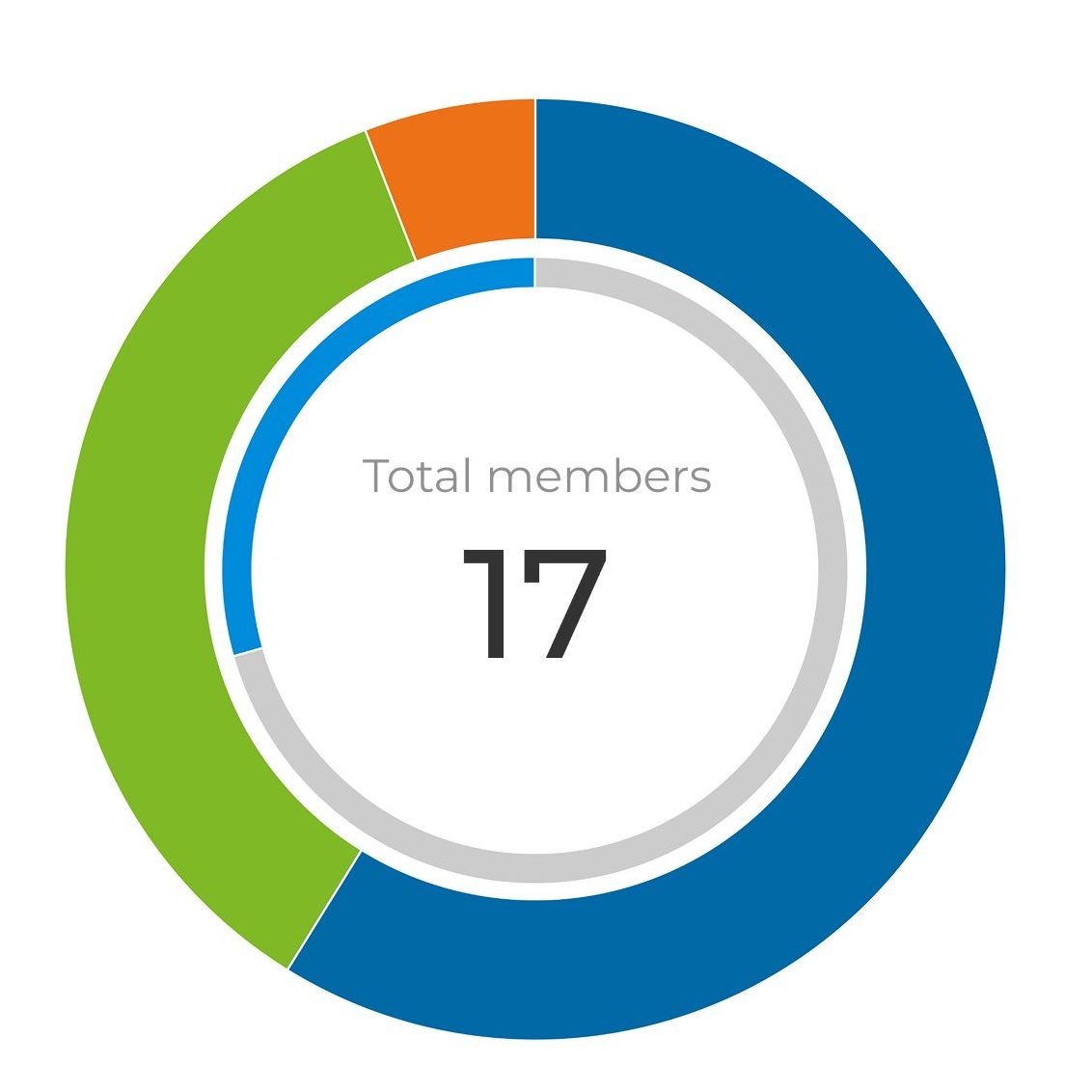
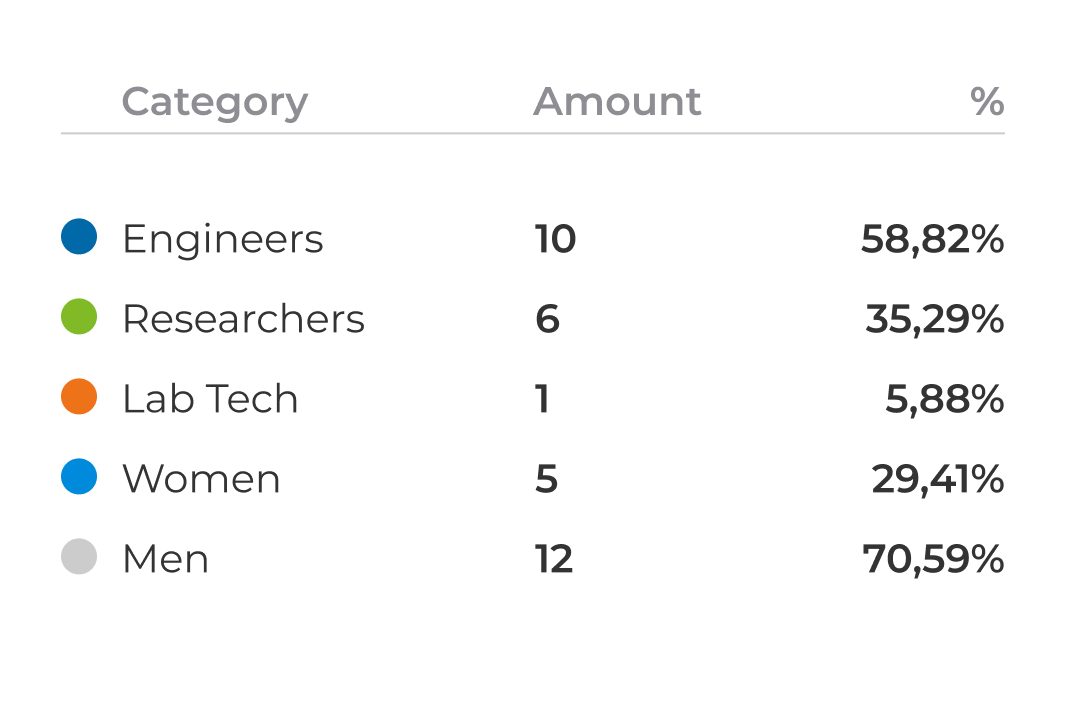
The department brings together a multidisciplinary team of researchers and specialists working across its core research areas. Our work combines fundamental research, technology development and applied validation, engaging with academic institutions, industry partners and public bodies to generate knowledge and solutions with real-world impact.
A department expert team
Our research lines
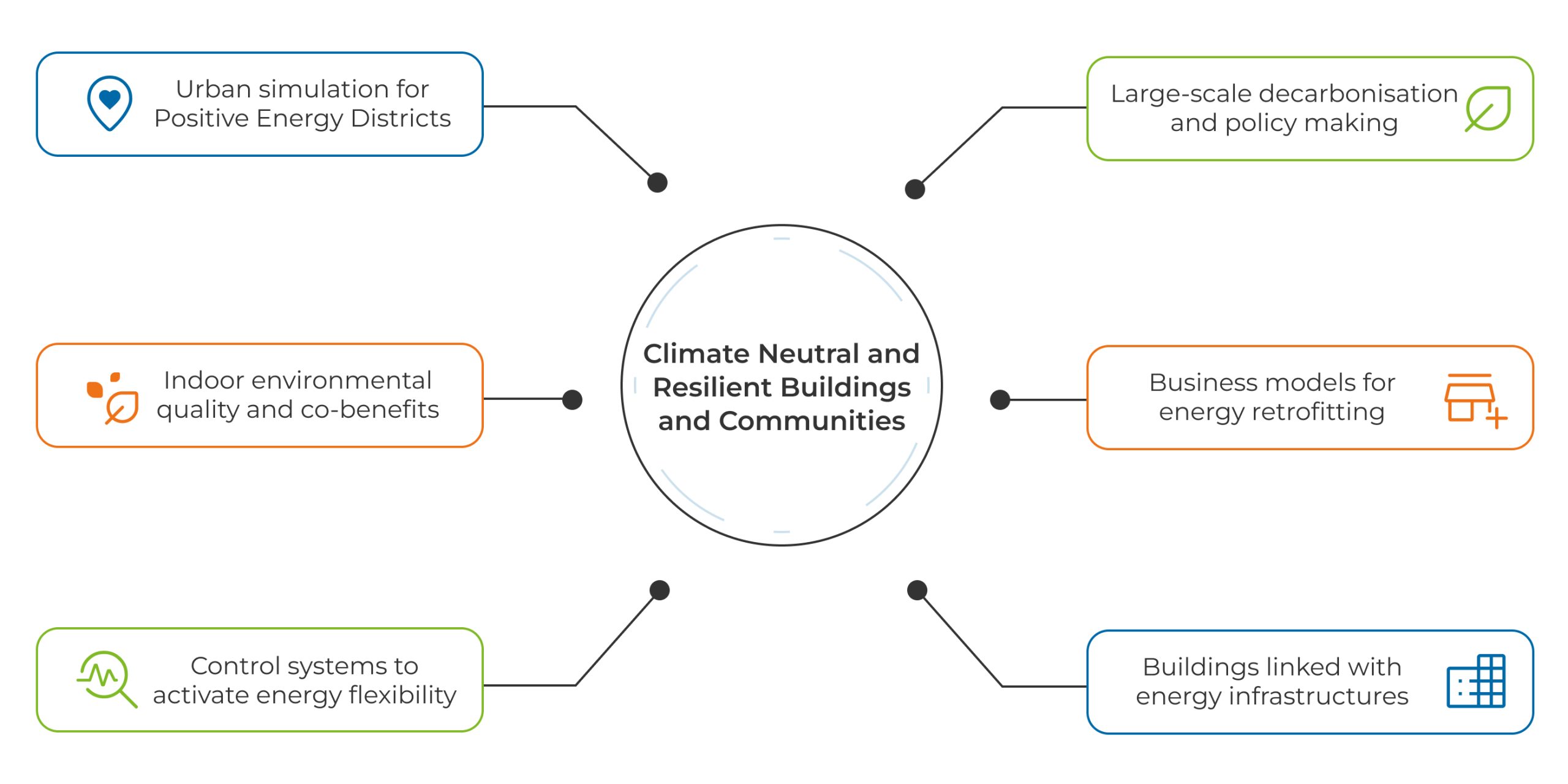
Research lines
- Urban simulation for Positive Energy Districts
- Indoor environmental quality and co-benefits
- Control systems for building energy flexibility
- Large-scale decarbonisation, business models and policy
- Business models for energy retrofitting
- Buildings linked to energy infrastructures
Urban simulation for Positive Energy Districts develops tools and methods for the planning, design and assessment of climate-neutral neighbourhoods. Semantic 3D city models and GIS-referenced data are combined with dynamic energy simulations to create digital twins that support decision-making and citizen engagement. Research addresses environmental assessment, life-cycle analysis of building stocks, district heating and cooling network design, waste heat recovery and the interaction between buildings and wider energy infrastructure.
This line measures and quantifies the broader benefits of energy efficiency in buildings, from indoor air quality and thermal comfort to health outcomes and socio-economic gains. Validated comfort models are adapted to specific environments, post-occupancy evaluation processes assess the effectiveness of renovation strategies, and energy poverty is characterised at regional and local scales. Evidence generated here supports more ambitious policies and empowers communities to make informed decisions about energy improvements.
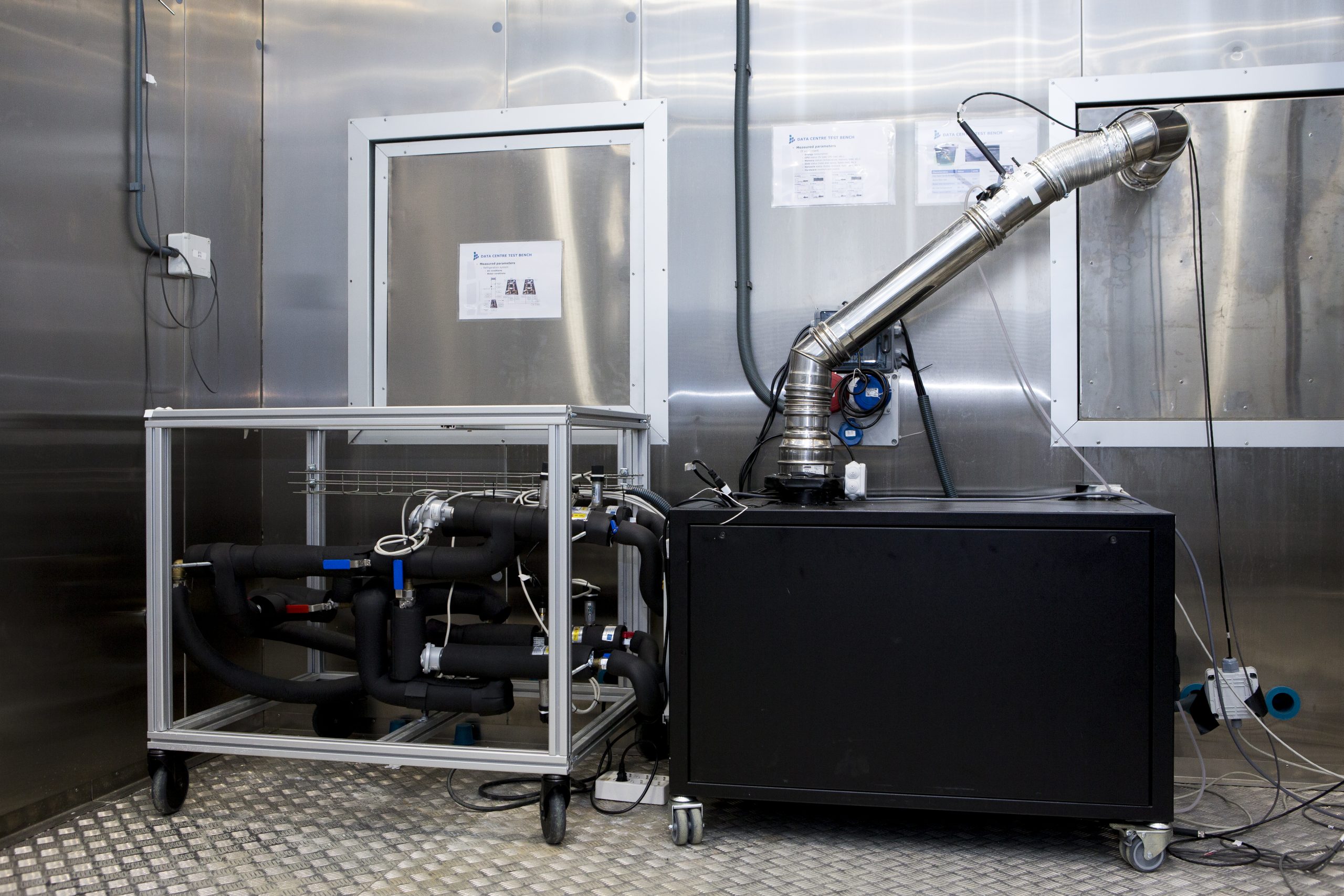
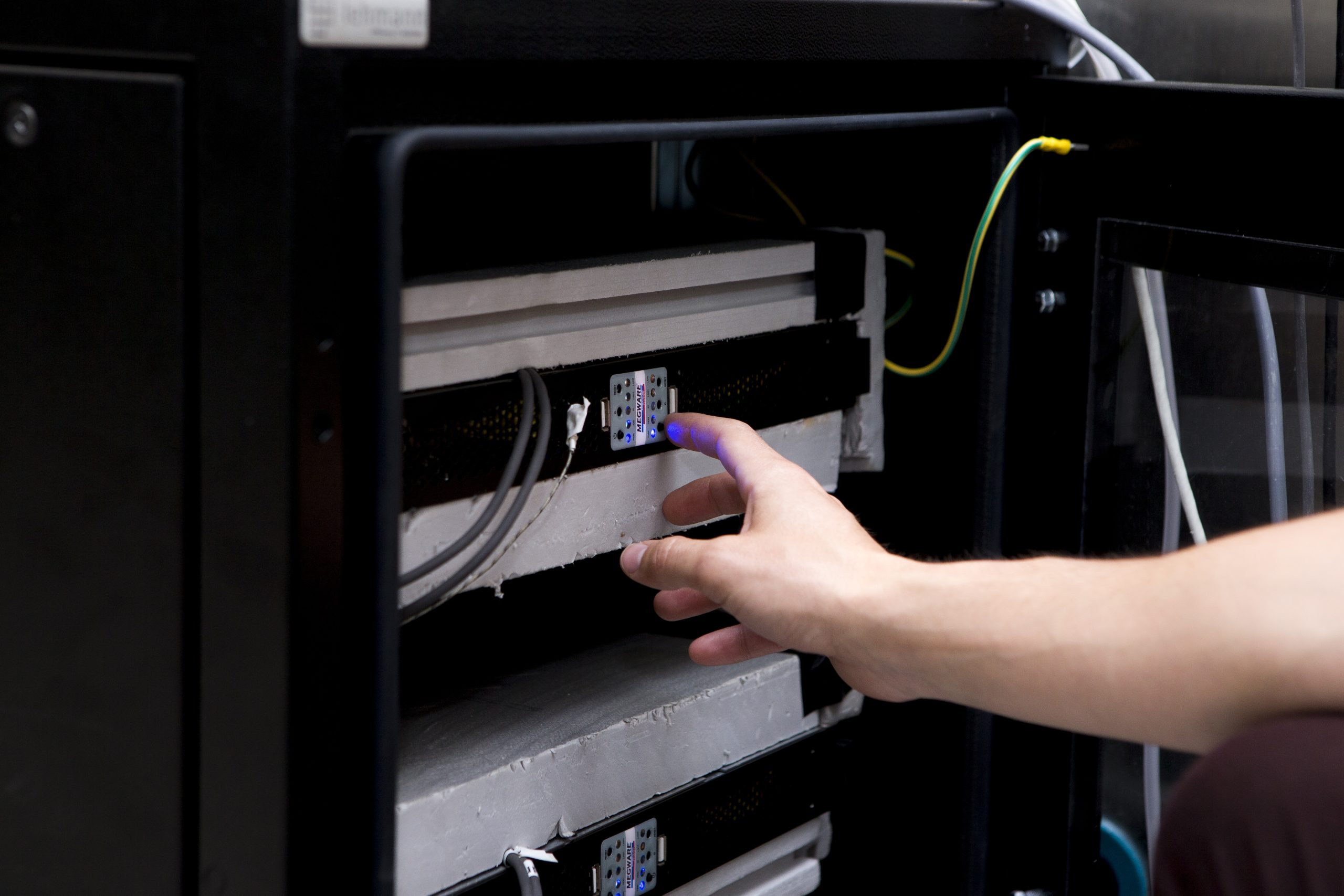
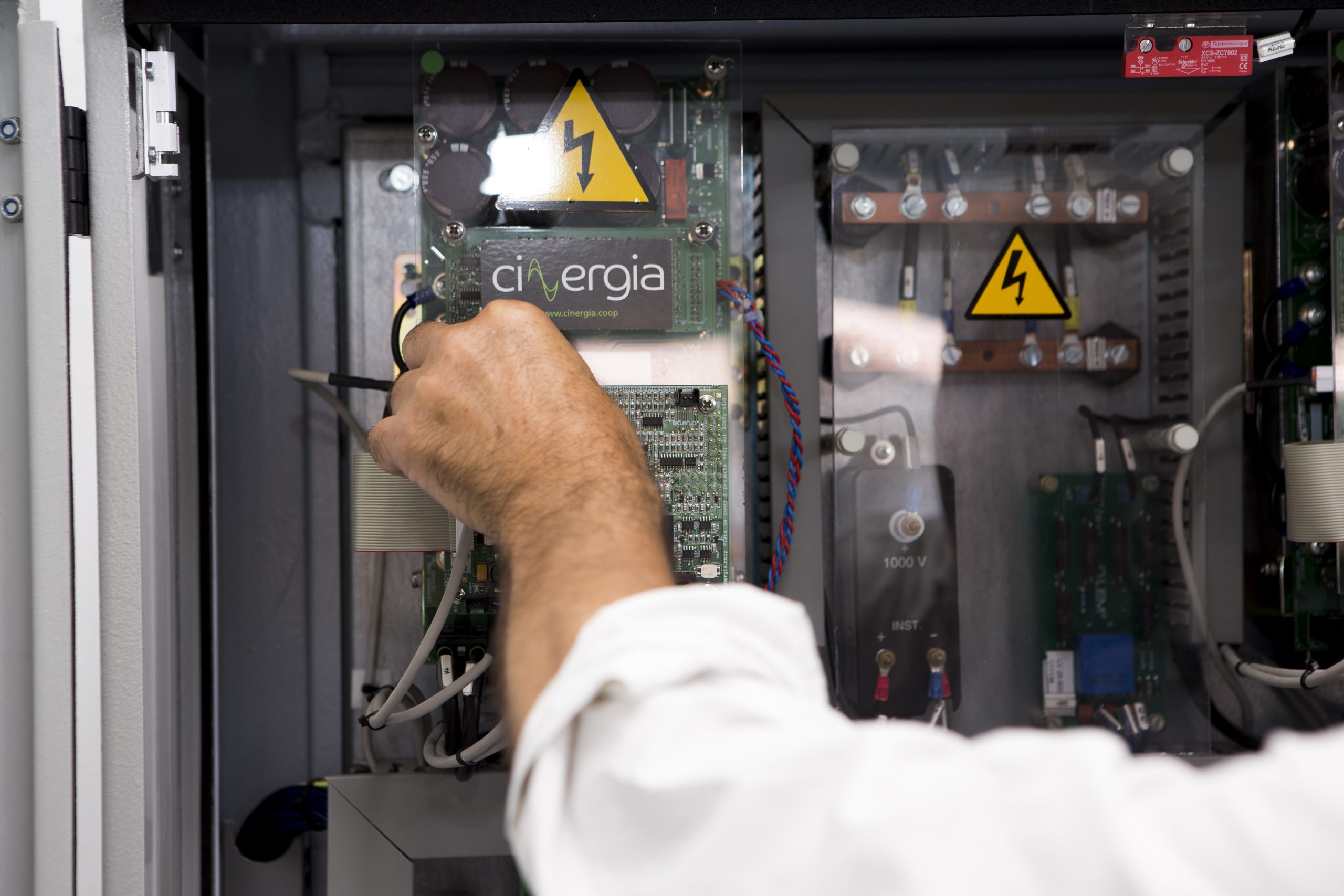
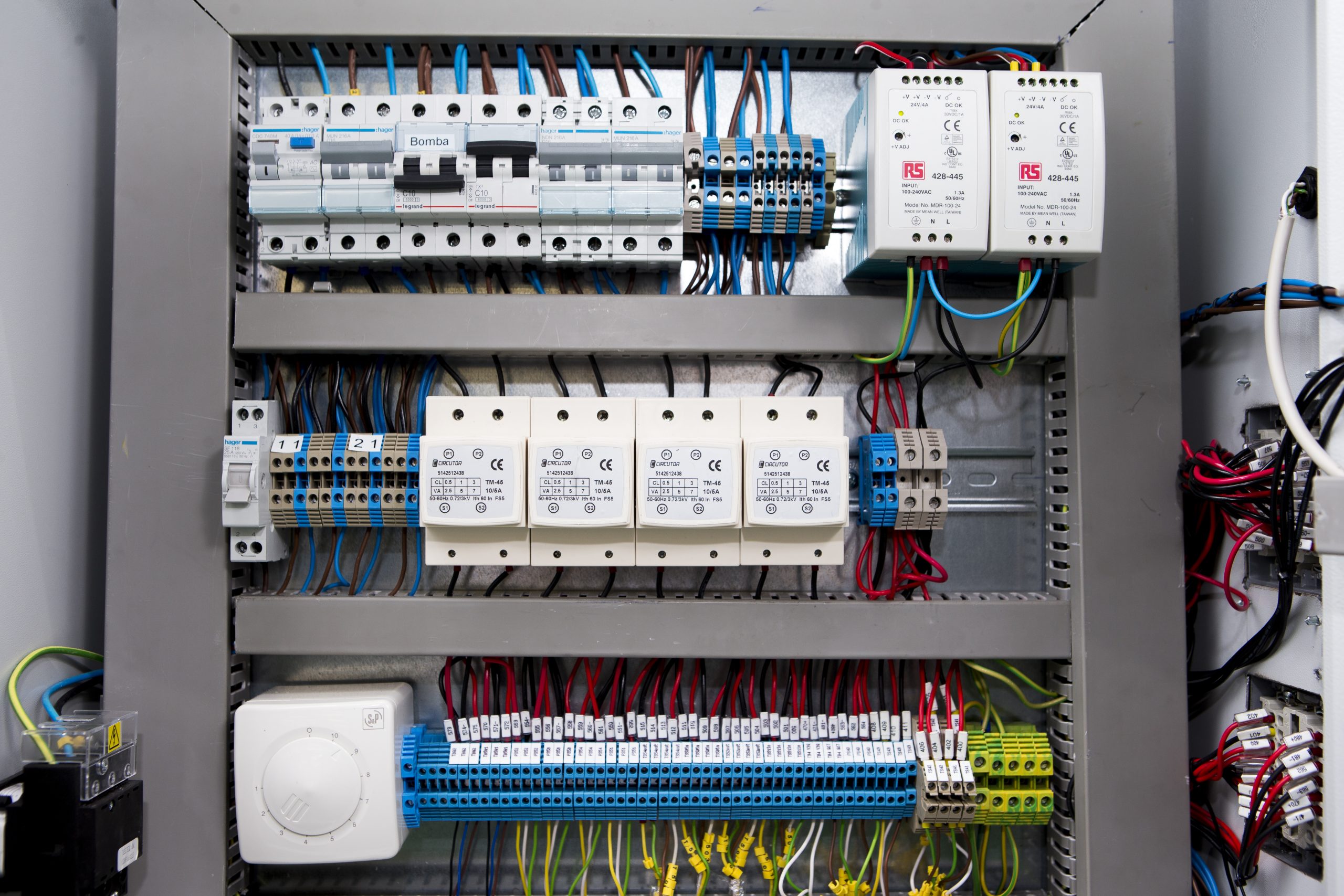
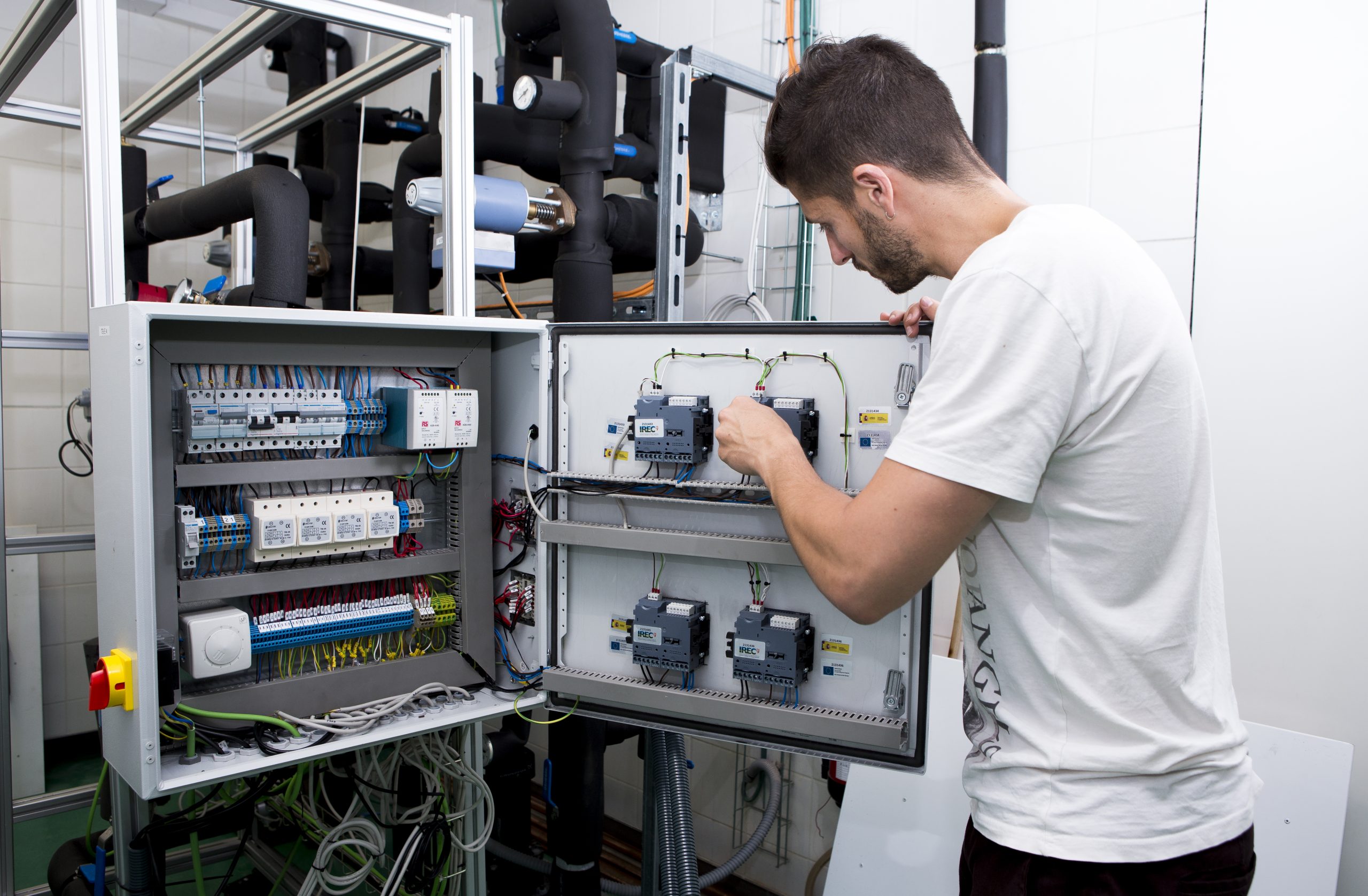
Research here develops advanced control strategies for complex HVAC systems incorporating multiple energy sources, loads and vectors. By integrating user occupancy data, outdoor conditions, price signals and local renewable production into model predictive control frameworks, the work improves operational efficiency, extends equipment lifetime and activates the thermal inertia of buildings to support a grid with a high proportion of renewable energy. Fault detection and diagnosis tools and hardware-in-the-loop experiments in SEILAB validate these strategies under realistic conditions.
This line generates multidimensional models based on bottom-up and top-down approaches to establish decarbonisation pathways at local, regional and national scales. Parallel work develops the business models, financial instruments and governance frameworks needed to make large-scale energy retrofitting economically viable and socially equitable. Engagement with public administrations, housing agencies and civil society organisations connects research outputs directly to policy implementation and real-world deployment.
This line generates multidimensional models based on bottom-up and top-down approaches to establish decarbonisation pathways at local, regional and national scales. Parallel work develops the business models, financial instruments and governance frameworks needed to make large-scale energy retrofitting economically viable and socially equitable. Engagement with public administrations, housing agencies and civil society organisations connects research outputs directly to policy implementation and real-world deployment.
This line generates multidimensional models based on bottom-up and top-down approaches to establish decarbonisation pathways at local, regional and national scales. Parallel work develops the business models, financial instruments and governance frameworks needed to make large-scale energy retrofitting economically viable and socially equitable. Engagement with public administrations, housing agencies and civil society organisations connects research outputs directly to policy implementation and real-world deployment.
People
A skilled team dedicated to advancing the energy transition.
Projects
Competitive and industrial projects from lab to real-world scale.
Publications
Peer-reviewed outputs at the forefront of energy research.
Tech Transfer
The Climate Neutral and Resilient Buildings and Communities department transfers knowledge through direct collaboration with industry, public administrations and civil society. Its Semi-Virtual Energy Integration Laboratory (SEILAB) provides companies with a unique environment to test heating and cooling equipment, heat pumps and renewable energy systems under realistic dynamic conditions. Notable outcomes include fault detection algorithms developed with manufacturers, demand response strategies with Naturgy, and ALMMA — a proprietary product for activating energy flexibility in heat pump systems through advanced model predictive control and fault detection.
The department co-develops retrofitting concepts and Positive Energy District demonstrators with partners including INCASOL, the Catalan Housing Agency, municipalities and civil society organisations. Publicly available tools include Somcomunitatenergetica.cat, a platform to simulate local energy communities in Catalonia, and urban digital twins developed through projects such as ARV and MAKING PEDs. International partnerships with Concordia University, Fraunhofer, NTNU and EPRI, alongside active participation in IEA-EBC and IEA-HPT working groups, ensure that research outcomes connect to both market deployment and policy development.
Facilities
Facilities
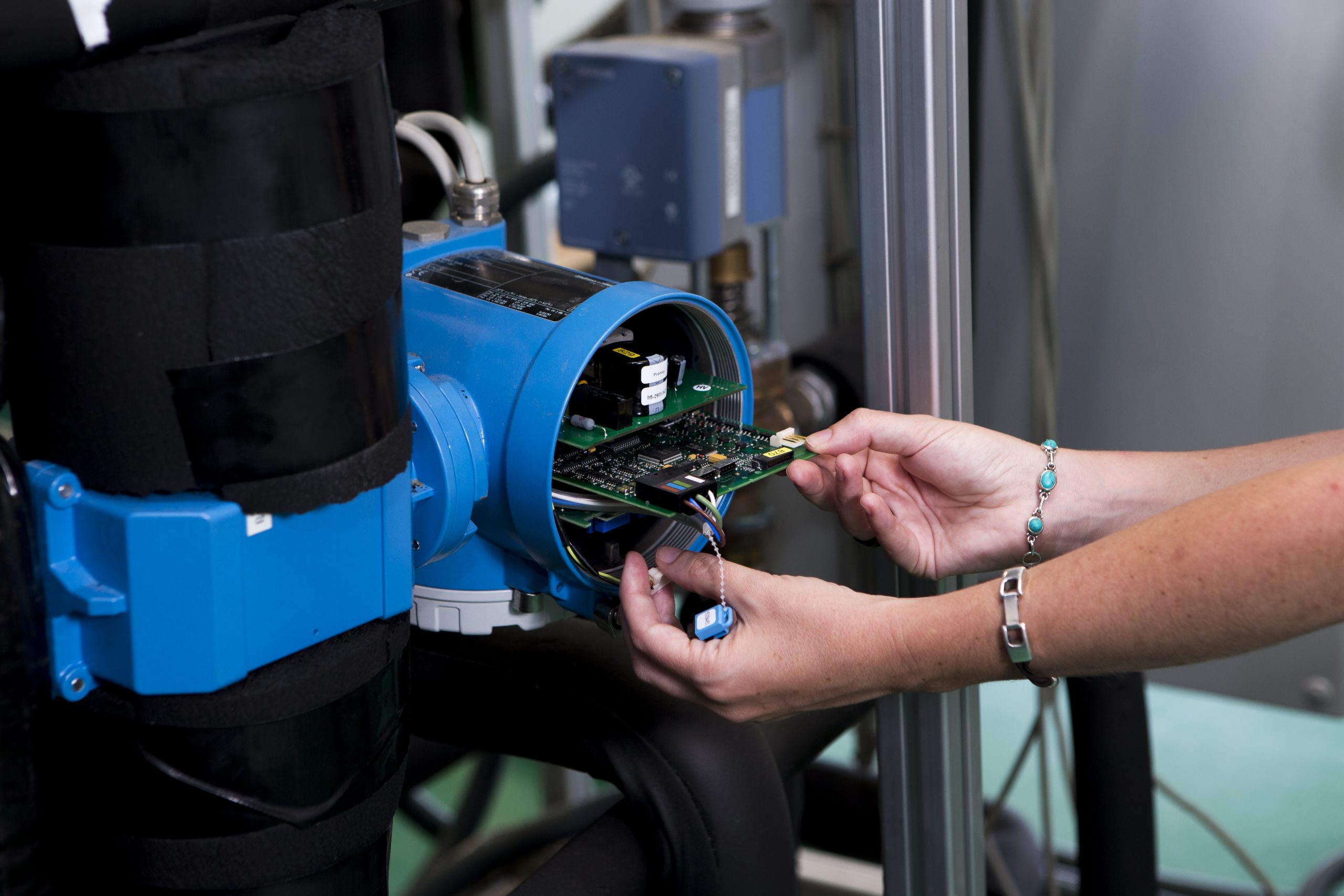
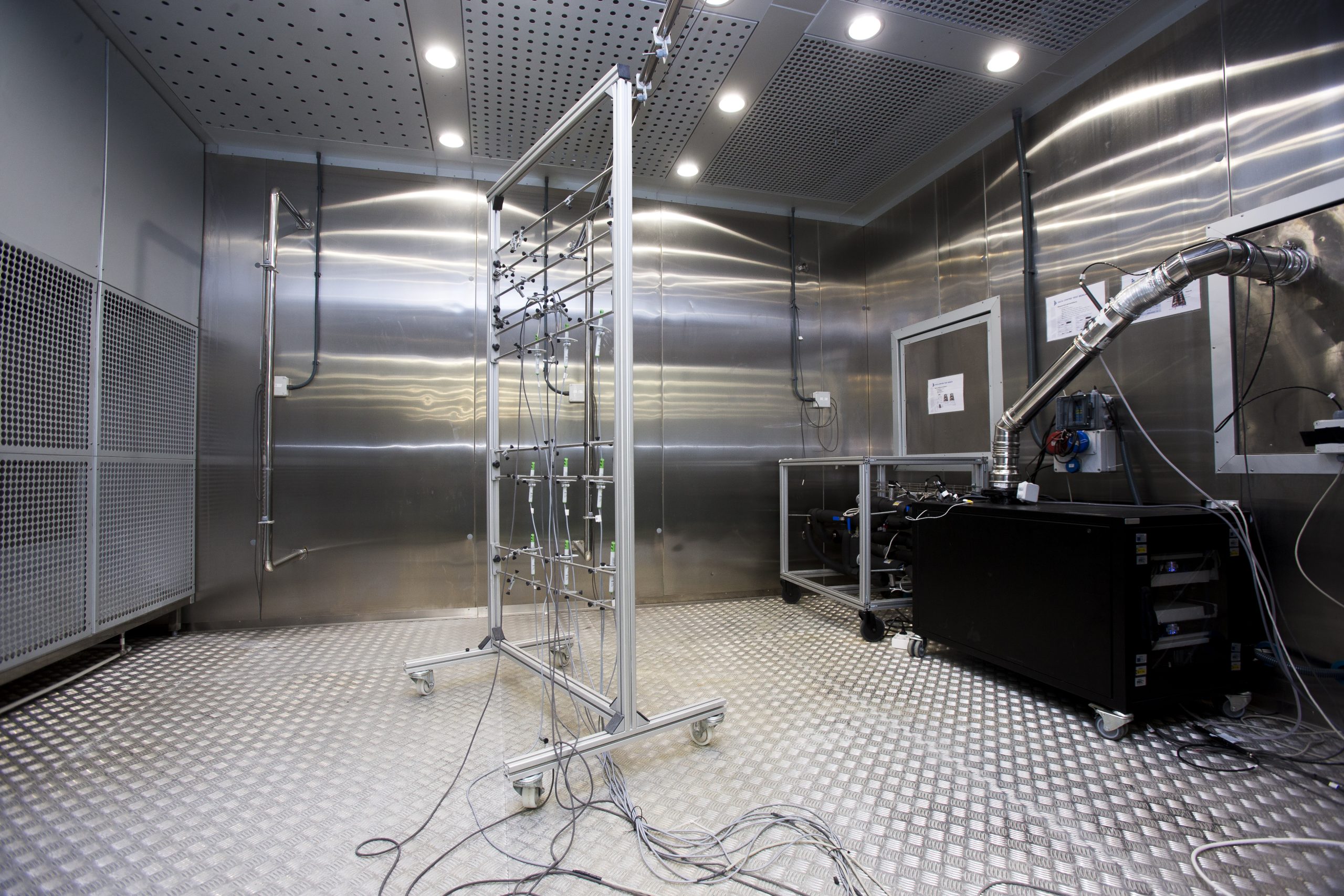
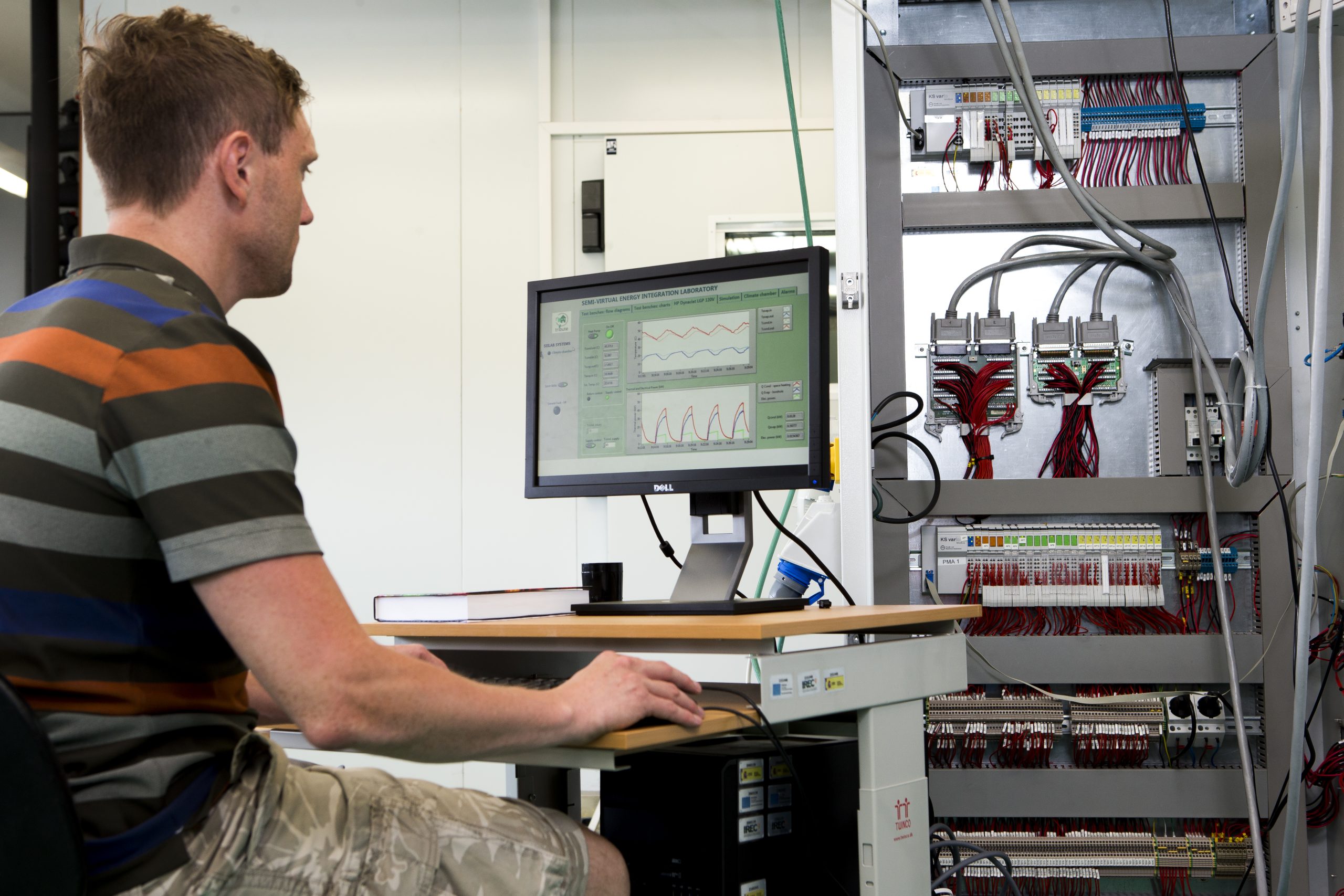
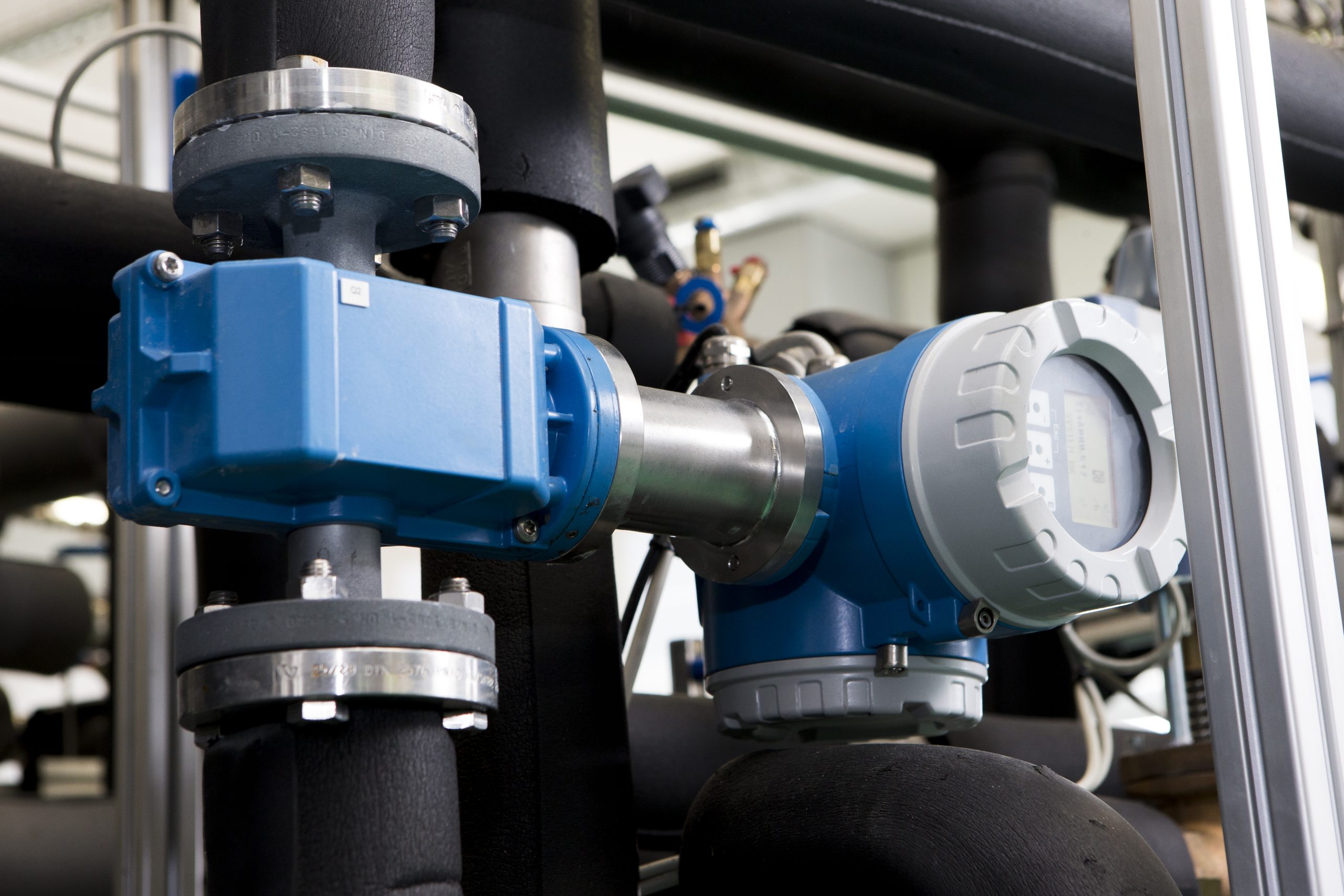
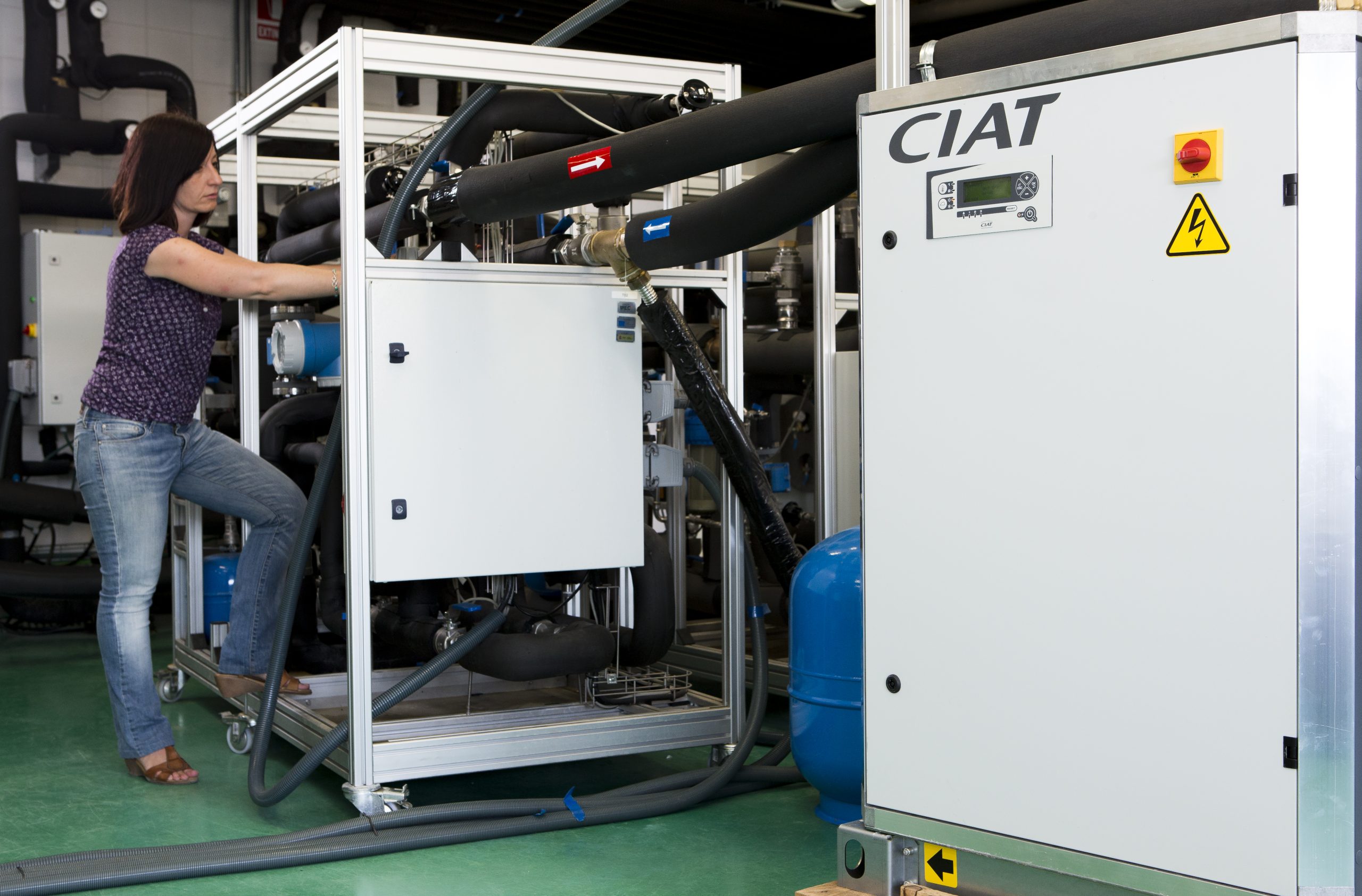
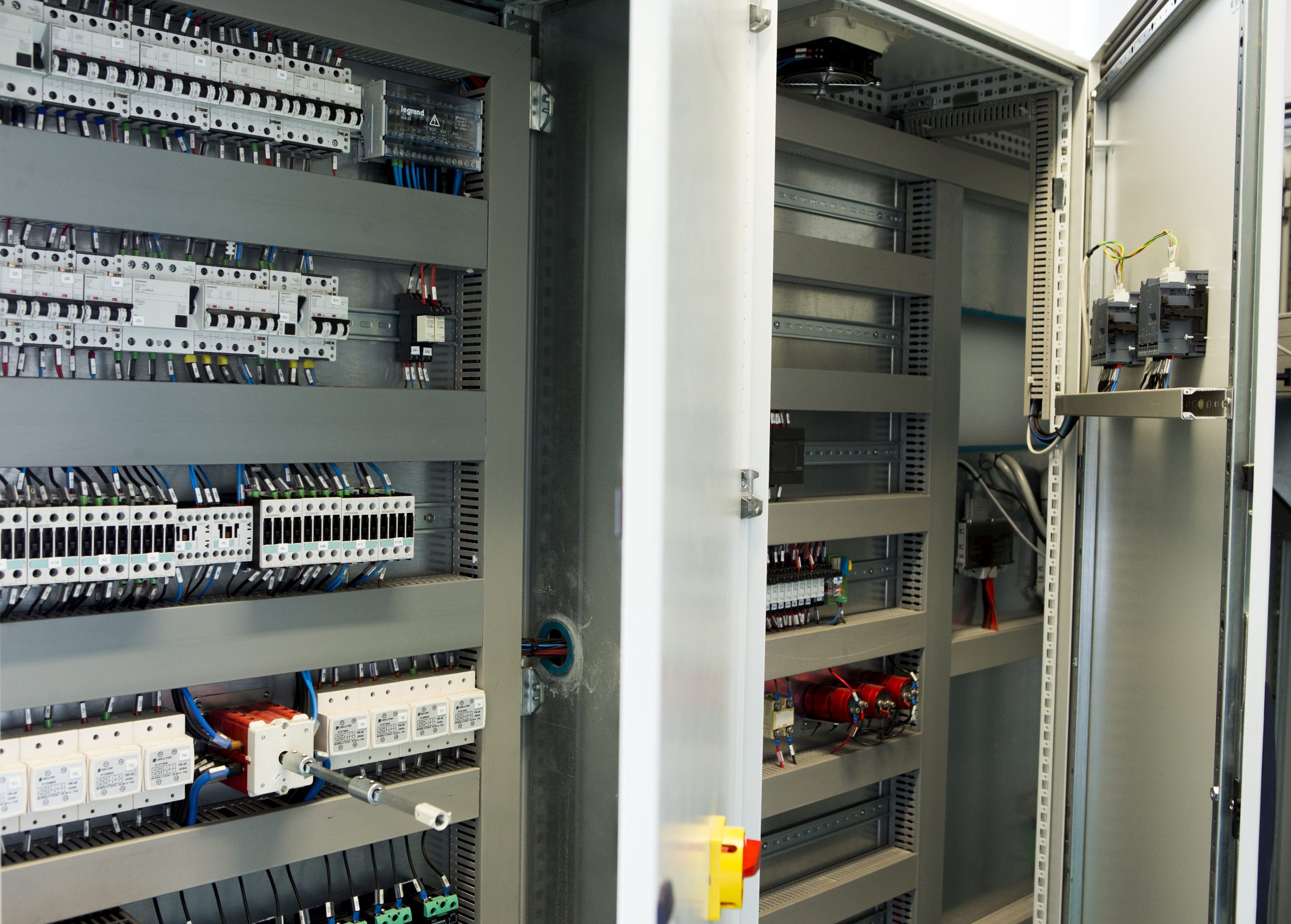
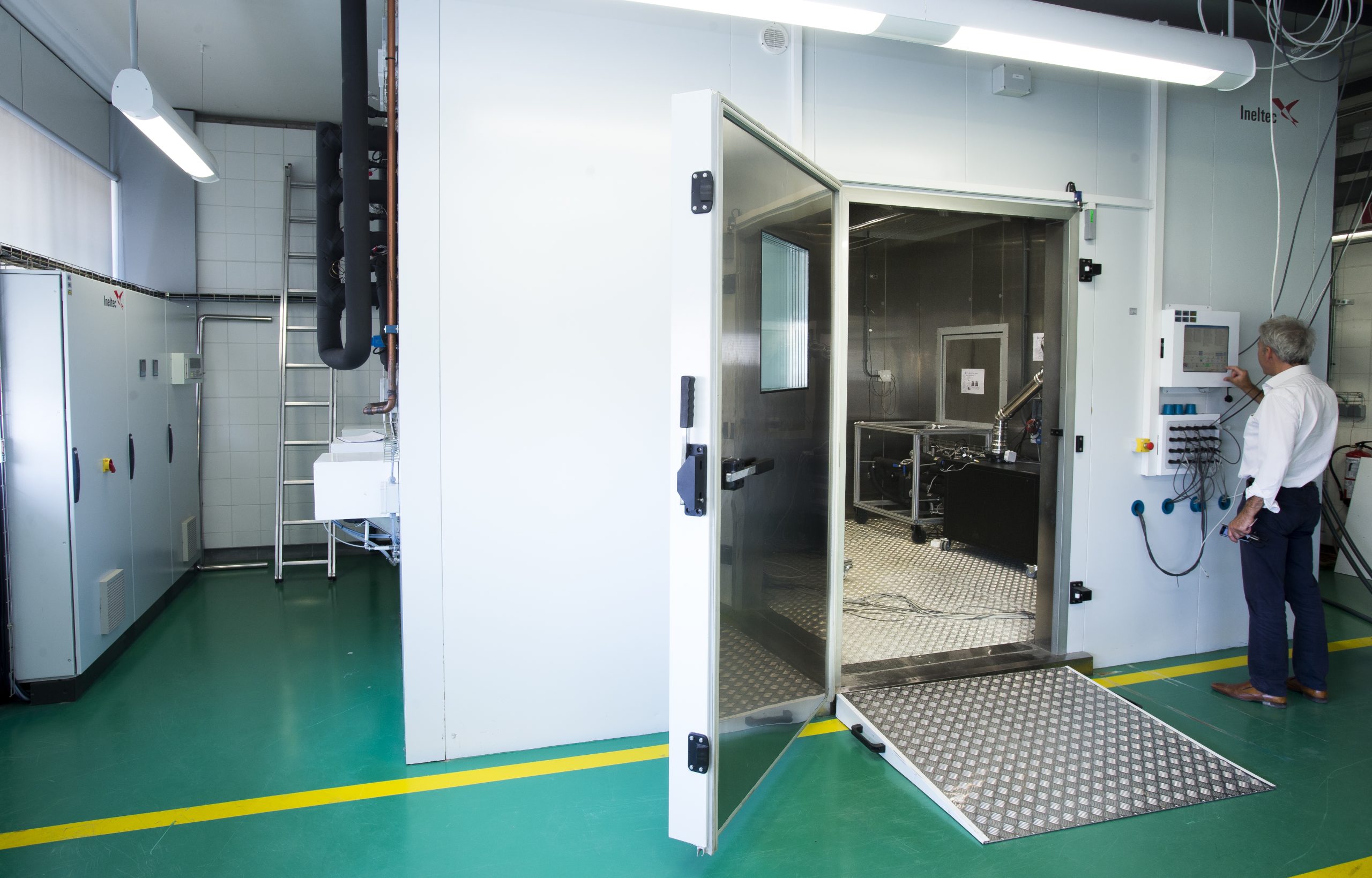
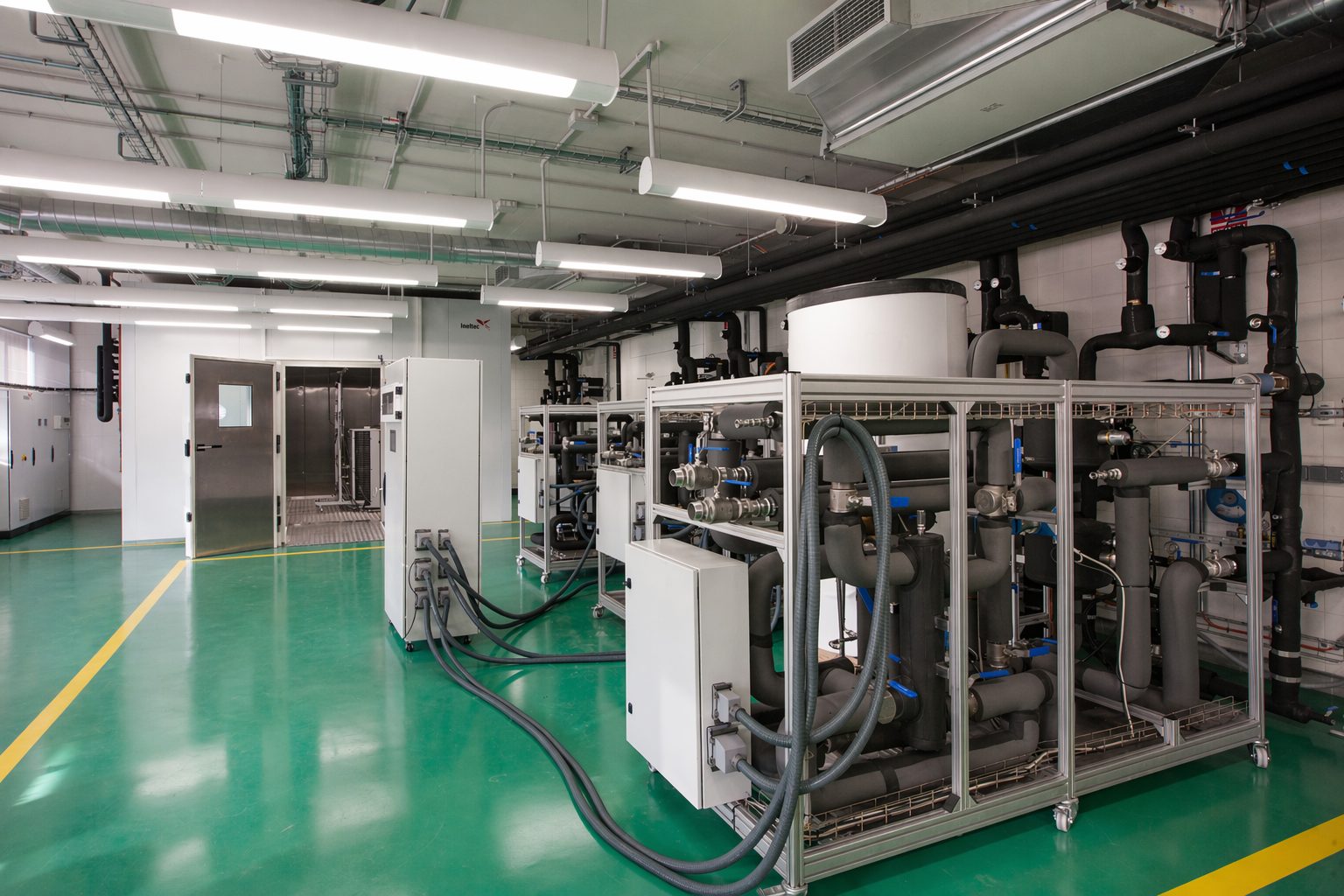
The department’s experimental infrastructure centres on the Semi-Virtual Energy Integration Laboratory (SEILAB), a unique facility that bridges simulation and real-world deployment through a hardware-in-the-loop architecture. Real heating and cooling equipment interacts with virtual building and district models incorporating advanced generation, storage and control systems, making it possible to study performance, comfort, emissions and energy flexibility under realistic dynamic conditions.
SEILAB is integrated with the IREC Energy SmartLab, enabling the two facilities to operate together as a platform for testing aggregator strategies and management policies at district scale. The department’s experimental capabilities are complemented by high-performance computing infrastructure for advanced building and urban simulations, optimisation studies and geo-referenced digital twins of urban areas. The Comfort Lab at Campus Besòs and Edifici D — used as a living lab in the context of the DIRECxTE initiative — extend the department’s experimental reach into real occupied environments.
Data and Software Releases
Data and Software Releases
Tools, datasets and platforms developed by the department and made publicly available.
Green Data Centre TRNSYS Library
A simulation library for TRNSYS 17 enabling thermal modelling of data centres, including all developed component types.
Energy diagnosis of sports facilities in Catalonia (2017)
Energy-saving potential assessment for sports halls, indoor swimming pools and sports fields towards nZEB targets.
Aerothermal heat pumps in Catalonia (2020)
Technical study on the potential of energy-efficient heat pumps for air conditioning and domestic hot water. Published by ICAEN.
Heat pump fault dataset (2021)
Open experimental dataset of common faults emulated on a 10 kW variable-speed heat pump charged with propane.
Somcomunitatenergetica.cat
Web platform to simulate the creation of local energy communities in Catalonia and calculate their energy and economic benefits.
RETABIT platform
Real-time building analytics platform for energy monitoring and performance assessment.
News
Nullam eu feugiat curabitur non. Maecenas tortor eget nunc nulla arcu auctor tincidunt arcu.
-
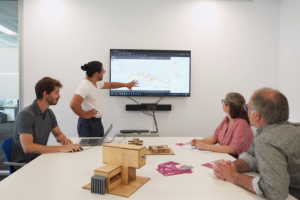
MAKING PEDs recognized as a leading innovation for Positive Energy Districts
The MAKING PEDs project, coordinated by IREC, has concluded after developing innovative digital tools and methodologies to help cities plan Positive Energy Districts (PEDs) and accelerate their transition towards climate neutrality. Positive Energy Districts are urban neighbourhoods designed to generate more renewable energy than they consume, helping reduce emissions while creating greener, more sustainable places…
Read more: MAKING PEDs recognized as a leading innovation for Positive Energy DistrictsPablo Fernández Martínez
Vulputate aliquam gravida
-
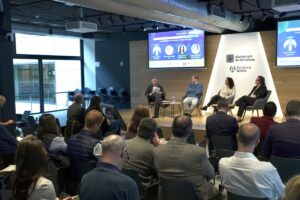
Innovation Day Energia brings together companies, research centres and investors in Barcelona to address the challenges of the energy system
The eighth edition of Innovation Day Energia has brought together professionals from business, industry, science, finance and public administration in Barcelona to discuss the challenges facing the energy system and explore opportunities to accelerate the development and deployment of innovative energy technologies. Co-organised by IREC, CEEC and XRE4S, with the support of ICAEN, the event…
Read more: Innovation Day Energia brings together companies, research centres and investors in Barcelona to address the challenges of the energy systemPablo Fernández Martínez
Vulputate aliquam gravida
-

Two researchers join IREC to advance secure AI and digital twins for the Internet of Energy
Oliver Anderson and Gianluca Rapaglia have joined IREC’s Power Systems department as part of the SAILING project, a European initiative training 12 Early-Stage Researchers to advance digital twin and secure AI technologies. The Internet-of-Energy, the digital layer connecting and automating how energy is generated, stored and distributed, can play an important role in Europe’s transition…
Read more: Two researchers join IREC to advance secure AI and digital twins for the Internet of EnergyPablo Fernández Martínez
Vulputate aliquam gravida